
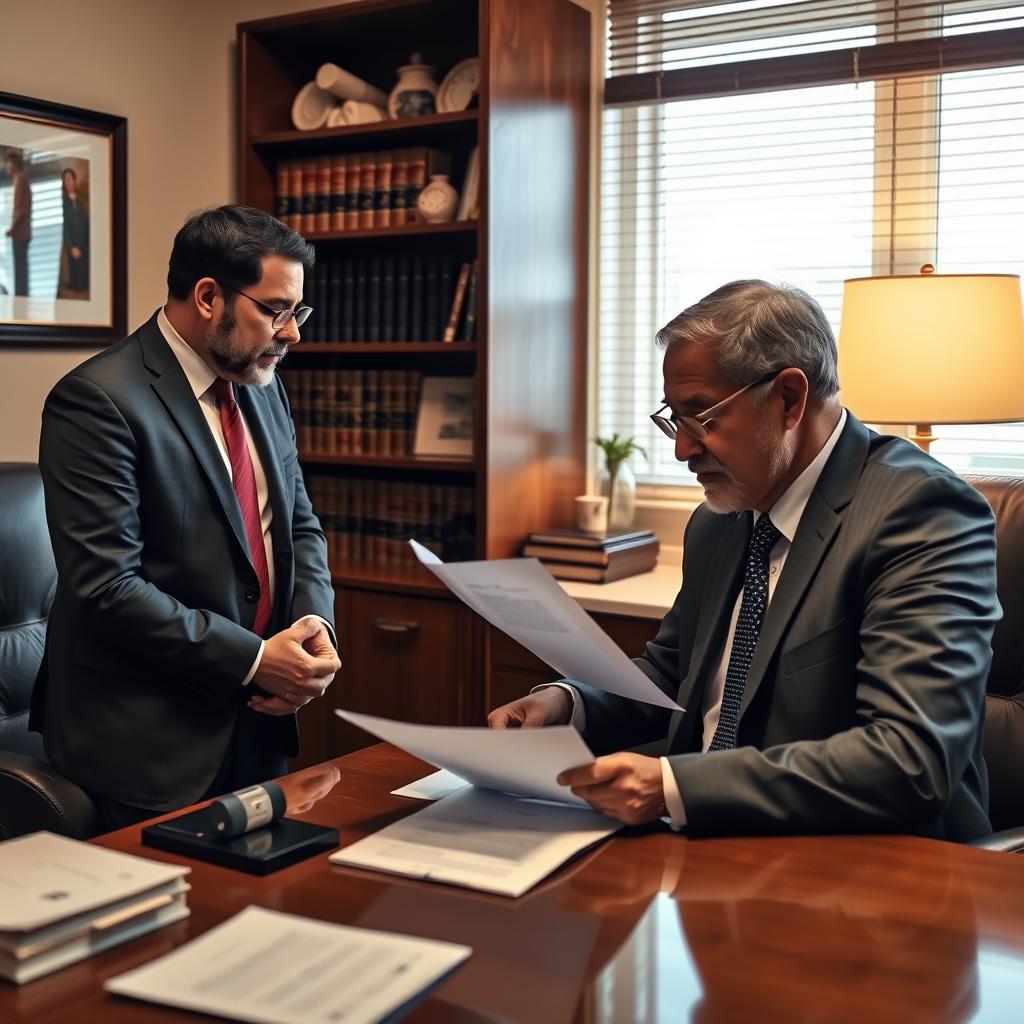
Habitual Offender Lawyer Columbia Heights
If you face a habitual offender designation in Columbia Heights, you need a lawyer who knows DC law. A habitual offender lawyer Columbia Heights can challenge the DMV’s evidence and fight the license revocation. Law Offices Of SRIS, P.C. —Advocacy Without Borders. provides defense for repeat traffic offenders. We handle administrative hearings and related criminal charges. (Confirmed by SRIS, P.C.)
Statutory Definition of a Habitual Offender in DC
DC Official Code § 50–1401.01 defines a habitual offender as a person convicted of three or more major traffic offenses within a five-year period. This classification leads to a mandatory driver’s license revocation for a minimum of three years. The law is strict and administrative. You lose your license if you meet the statutory criteria. The DMV does not need a new criminal conviction to act. They review your driving record and issue a revocation notice. This is a civil administrative action. It is separate from any criminal penalties for the underlying offenses. The revocation period starts from the date you surrender your license. You cannot drive for any reason during the revocation. A habitual offender lawyer Columbia Heights must act quickly after you get the notice. You have a limited time to request a hearing. The hearing is your only chance to contest the designation. You can argue errors in the record or challenge the offenses counted. The burden is on the DMV to prove you qualify. A strong defense can stop the revocation.
What triggers a habitual offender designation in Columbia Heights?
Three major moving violations within five years trigger the designation. Major offenses include DUI, reckless driving, and driving on a suspended license. Hit-and-run and felony traffic crimes also count. The DMV reviews records from DC and other states. They send a notice of proposed revocation to your last known address. You have 15 days to request a hearing. Missing this deadline means automatic revocation.
How does DC law differ from Virginia on habitual offenders?
DC law is purely administrative and based on convictions. Virginia’s habitual offender law was largely repealed in 1999. DC still actively enforces its statute. The DC DMV has broad authority to revoke licenses. There is no judicial review until after the administrative hearing. This makes the initial hearing critically important. A repeat offender defense lawyer Columbia Heights must understand this procedural difference.
Can out-of-state tickets count toward a DC designation?
Yes, out-of-state convictions for major offenses are counted. The DC DMV participates in the Driver License Compact. Traffic convictions from all 50 states are shared. The DMV will treat a qualifying out-of-state violation the same as a DC conviction. This can surprise many drivers. Your lawyer must obtain and review your complete National Driver Register record.
The Insider Procedural Edge in Columbia Heights
Habitual offender cases are handled at the DC Department of Motor Vehicles Adjudication Services at 301 C Street NW, Washington, DC. The hearing is an administrative procedure. It is not held in a traditional courtroom. The hearing examiner acts as both judge and prosecutor. You have the right to be represented by counsel. You can present evidence and cross-examine witnesses. The standard of proof is a preponderance of the evidence. This is lower than the criminal “beyond a reasonable doubt” standard. The filing fee to request a hearing is typically $35. The timeline from notice to hearing can be 30 to 60 days. You must continue the hearing if you need more time to prepare. The examiner’s decision is usually issued within 30 days after the hearing. You can appeal a negative decision to the DC Court of Appeals. That appeal is a complex legal process. Having a lawyer from the start is essential. Procedural specifics for Columbia Heights are reviewed during a Consultation by appointment at our DC Location.
What is the first step after receiving a revocation notice?
You must file a written request for a hearing within 15 days. Do not ignore the notice. The revocation becomes automatic if you do not respond. Contact a habitual traffic offender lawyer Columbia Heights immediately. Your lawyer will draft and file the hearing request. They will also subpoena the evidence the DMV plans to use.
What evidence is presented at the DMV hearing?
The DMV hearing examiner presents your certified driving record. They introduce documents showing your prior convictions. The examiner may call a DMV records custodian as a witness. Your lawyer can challenge the authenticity of these records. We can argue that offenses are too old or do not qualify as “major.” We can present evidence of mitigating circumstances. The goal is to create reasonable doubt about the DMV’s case.
How long does the entire administrative process take?
The process from notice to final decision often takes three to six months. The 15-day response period is critical. The hearing is usually scheduled 4-8 weeks after the request. The examiner’s written decision follows the hearing by about 30 days. An appeal to the DC Court of Appeals can add another year. A skilled lawyer can sometimes negotiate a resolution before the hearing. This can shorten the timeline significantly.
Penalties & Defense Strategies
The most common penalty is a mandatory three-year driver’s license revocation. After three years, you may apply for reinstatement. You must pay all outstanding fines and complete required courses. The DMV can deny reinstatement if you have other violations. Driving while revoked as a habitual offender is a criminal misdemeanor. It can result in jail time. The penalties escalate with each subsequent offense.
| Offense | Penalty | Notes |
|---|---|---|
| Habitual Offender Designation | 3-Year License Revocation (Minimum) | Civil administrative penalty. Starts upon license surrender. |
| Driving After Revocation (1st Offense) | Up to 1 year in jail, $1,000 fine | Criminal misdemeanor under DC Code § 50–1403.01. |
| Driving After Revocation (2nd+ Offense) | Up to 5 years in jail, $5,000 fine | Enhanced penalties apply within a 5-year period. |
| Failure to Surrender License | $500 Civil Fine | Additional penalty imposed by the DMV. |
[Insider Insight] DC prosecutors and DMV examiners take habitual offender cases seriously. They view them as public safety issues. However, they often rely on automated records checks. Errors in these records are common. A strategic defense focuses on attacking the accuracy of the driving abstract. We challenge whether each prior conviction truly qualifies. We examine the dates to ensure they fall within the five-year window. We look for procedural defects in the old cases. An experienced criminal defense representation team knows how to find these weaknesses.
What are the best defenses against the designation?
Challenge the legal sufficiency of the prior convictions. Argue one or more offenses are not “major” under the statute. Prove the convictions fall outside the five-year look-back period. Demonstrate errors in the DMV’s record-keeping. Show you were not properly notified of a prior suspension. These defenses require detailed legal research and investigation.
Can you get a restricted license during the revocation?
No, DC law does not allow for a restricted license for habitual offenders. The revocation is absolute for the minimum three-year period. There are no exceptions for work, medical care, or family necessity. This is a key difference from some state laws. Driving any vehicle during this period is a crime.
What happens after the three-year revocation period?
You may apply for license reinstatement. The process is not automatic. You must file an application and pay a reinstatement fee. You must prove completion of any required driver improvement programs. The DMV will conduct a full background check. Any new violations will delay or deny reinstatement. Legal counsel can guide you through this application process.
Why Hire SRIS, P.C. for Your Columbia Heights Case
Our lead attorney for DC traffic matters is a former prosecutor with over 15 years of courtroom experience. He knows how the DMV builds its cases. He understands the pressure points in the administrative system.
Attorney Profile: Our senior litigator focuses on DC traffic and administrative law. He has represented clients in hundreds of DMV hearings. He has successfully argued for the dismissal of habitual offender designations. His knowledge of DC procedure is a decisive advantage.
SRIS, P.C. approaches these cases with a trial-tested strategy. We do not just fill out paperwork. We conduct a forensic review of your entire driving history. We look for legal errors in past cases that can be vacated. We prepare for the hearing as if it were a criminal trial. Our firm has a track record of resolving complex traffic matters. We provide our experienced legal team for your defense. We fight the designation on all available grounds. Our goal is to keep you driving legally.
Localized FAQs for Columbia Heights Drivers
How many tickets make you a habitual offender in DC?
Three convictions for major traffic offenses within a five-year period make you a habitual offender. Minor infractions like speeding under 15 mph do not count.
Can a habitual offender designation be removed from your record?
Yes, but only after the minimum revocation period ends and you successfully apply for reinstatement. The designation remains on your driving history permanently.
What is the difference between a suspended license and a habitual offender revocation?
A suspension is for a fixed period for a specific violation. A habitual offender revocation is a multi-year ban due to a pattern of serious offenses.
Should I go to the DMV hearing without a lawyer?
No. The hearing is a legal proceeding with complex rules. The DMV is represented by an examiner. You need a DUI defense in Virginia level of advocacy for this hearing.
How much does it cost to hire a lawyer for this?
Legal fees vary based on case complexity. They typically involve a flat fee for the DMV hearing. An appeal costs more. Consultation by appointment to discuss fees.
Proximity, CTA & Disclaimer
Our DC Location serves clients in Columbia Heights. We are strategically positioned to handle cases at the DC DMV Adjudication Services center. The Columbia Heights community is minutes from the heart of DC’s legal and administrative hubs. If you have received a habitual offender notice, time is your enemy. You must act within 15 days to preserve your rights. Do not face the DMV alone. SRIS, P.C. provides aggressive defense for drivers in Columbia Heights and across the District. Consultation by appointment. Call 888-437-7747. 24/7.
Law Offices Of SRIS, P.C.—Advocacy Without Borders.
Past results do not predict future outcomes.