
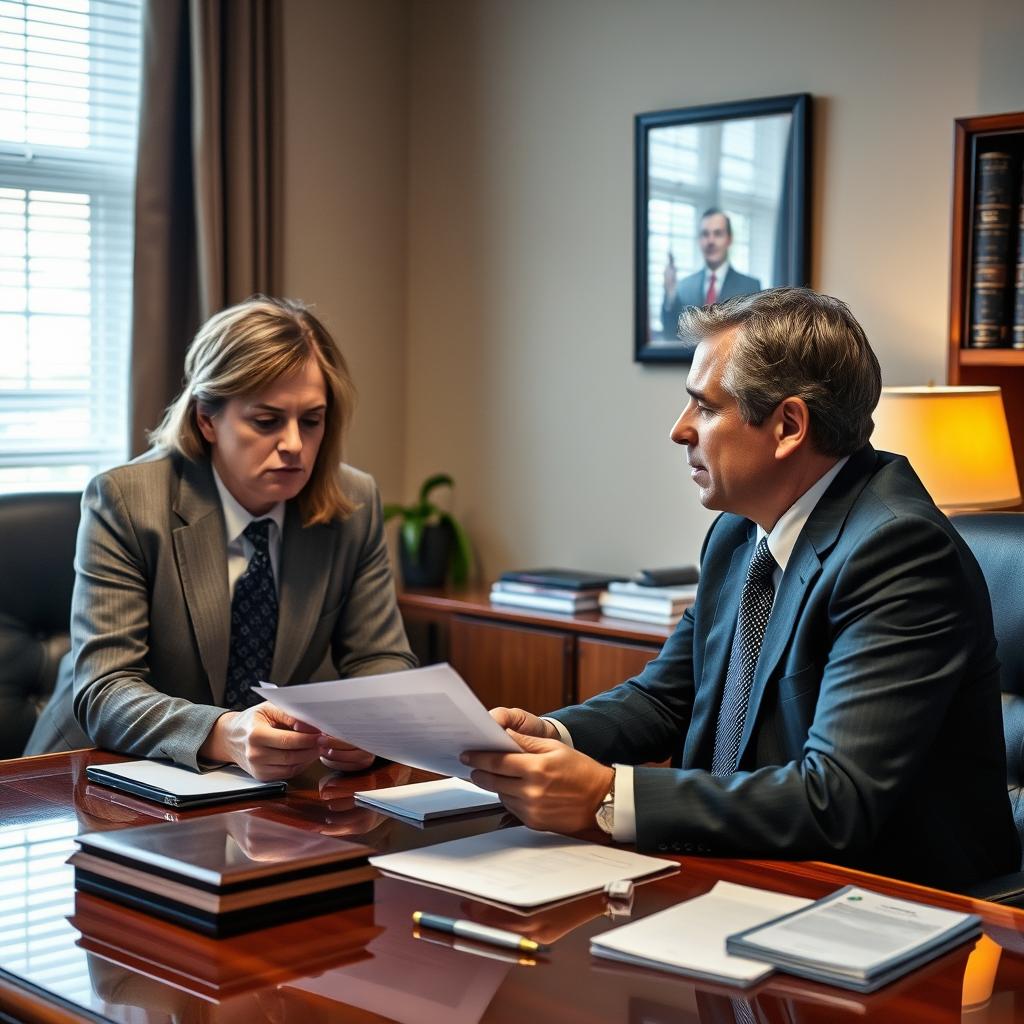
Breath Test Refusal Lawyer Washington DC, DC
Refusing a breath test during a D.C. Traffic stop can trigger immediate license suspension and complicate your DUI case. Under the District of Columbia’s implied consent law, a driver arrested for DUI who declines a chemical breath test faces administrative penalties separate from any criminal charge. If you refused a breath test in Washington, D.C., you need a clear understanding of your options. Law Offices Of SRIS, P.C. represents individuals facing breath test refusal consequences in D.C. Superior Court. Mr. Sris and his Of Counsel work to protect your driving privileges and defend against related DUI allegations. Reach our location at (888) 437-7747 to request a consultation. Law Offices Of SRIS, P.C. — Advocacy Without Borders.
What Happens After a Breath Test Refusal in Washington, D.C.
When a D.C. Police officer arrests you for driving under the influence and asks for a breath sample, your refusal triggers immediate administrative action. The D.C. Department of Motor Vehicles typically moves to suspend your driver’s license, independent of any criminal case. This suspension is often for a period set by statute and can take effect quickly. The officer is required to provide notice of the suspension and your rights to challenge it. If you do not request a hearing within the specified timeframe, the suspension becomes final.
The refusal itself can also become evidence in a criminal DUI prosecution. Prosecutors may argue that you refused because you knew you were under the influence. An experienced attorney can explain how the refusal may affect your defense strategy. At Law Offices Of SRIS, P.C., Mr. Sris and his Of Counsel evaluate whether the officer had reasonable grounds to make the arrest, whether proper procedures were followed, and whether you were adequately informed of the consequences of refusal. These factors can be critical in challenging both the license suspension and the underlying DUI charge.
Frequently Asked Questions
What is the implied consent law in Washington, D.C.?
The implied consent law means that any person who drives on D.C. Roads has already agreed to submit to a breath or blood test if arrested for DUI. Refusal triggers administrative penalties separate from the criminal case. The law stems from the principle that driving is a privilege, not a right, and that the public has an interest in removing impaired drivers from the road. If you were not properly advised of the consequences of refusal, the suspension may be invalid.
Can I challenge a license suspension for breath test refusal?
Yes, you can challenge the suspension by requesting an administrative hearing with the D.C. Department of Motor Vehicles. The hearing must be requested promptly after arrest. At the hearing, you can argue that the officer lacked probable cause to arrest you, that you were not actually driving, or that you were not properly informed of the consequences of refusal. Mr. Sris and his Of Counsel represent clients at these hearings to contest the suspension and seek reinstatement of driving privileges.
Does refusing a breath test mean I will be convicted of DUI?
No, a breath test refusal does not automatically result in a DUI conviction. The prosecution must still prove beyond a reasonable doubt that you were driving under the influence of alcohol or drugs. However, the refusal can be used as circumstantial evidence of guilt. An attorney may challenge the weight of that evidence or argue that you refused for reasons other than intoxication, such as confusion or medical inability.
What are the penalties for DUI in Washington, D.C.?
A first-offense DUI in D.C. Can carry up to 180 days in jail and a $1,000 fine. The court may also impose probation, mandatory alcohol education, and license restrictions. The presence of a breath test refusal can influence the judge’s sentencing discretion, though it is a separate administrative matter. Results may vary.
Do I need a lawyer for a breath test refusal in D.C.?
While you are not required to have an attorney, legal representation can be important. An attorney can help you navigate both the DMV suspension hearing and any related criminal charge. The procedural rules and deadlines are strict; failing to act quickly can result in a long-term license loss. Mr. Sris and his Of Counsel practice in D.C. Superior Court and handle DMV hearings for license restoration.
How long does a DUI case take in D.C. Superior Court?
The timeline varies by case complexity and the court’s calendar. A straightforward first-offense DUI may be resolved in a few months; contested cases with pretrial motions can take longer. The breath test refusal hearing at the DMV is typically scheduled sooner and may be decided before the criminal case concludes. Reach our location at (888) 437-7747 to discuss what to expect in your situation.
What should I do immediately after a DUI arrest and refusal?
Request a DMV hearing as soon as possible and avoid discussing the details of your case with anyone except your attorney. The officer should have given you a notice of proposed suspension with instructions for requesting a hearing. Keep that document safe. Do not delay; the deadline to request a hearing is short. Then contact a lawyer to evaluate your options.
Can I drive while my license is suspended for refusal?
Driving on a suspended license is a separate offense that can result in additional penalties. After a refusal, you may be eligible for a limited driving privilege for work, school, or medical appointments. The D.C. DMV has a process for applying for a restricted license. An attorney can help you apply if you qualify.
Is DUI a criminal or traffic infraction in D.C.?
DUI is a criminal offense in the District of Columbia. It is heard in D.C. Superior Court, not the DMV. A conviction results in a criminal record. The breath test refusal is an administrative civil matter handled by the DMV, but it runs parallel to the criminal case. Having both matters handled effectively often requires a coordinated defense strategy.
What courts handle DUI and refusal cases in Washington, D.C.?
DUI criminal cases are heard at D.C. Superior Court, 500 Indiana Avenue NW. The breath test refusal suspension is handled administratively by the D.C. Department of Motor Vehicles Adjudication Services. Our Arlington location serves D.C. Clients and is approximately 3 miles from the courthouse. Mr. Sris and his Of Counsel appear in D.C. Superior Court for traffic matters.
About Mr. Sris and His Of Counsel Team
Mr. Sris, Owner and Founder of Law Offices Of SRIS, P.C., is a former prosecutor admitted to practice in Virginia, Maryland, the District of Columbia, New Jersey, and New York. He founded the firm in 1997 and has extensive experience in DUI defense and traffic matters. Mr. Sris and his Of Counsel bring over 120 years of combined legal experience and have over 4,739+ documented firm-wide results. Results may vary. The firm’s Of Counsel attorneys are experienced practitioners who work collaboratively on each case. For breath test refusal and DUI matters in Washington, D.C., our team focuses on challenging the evidence, protecting your driving record, and pursuing a favorable resolution in both the DMV and court proceedings.
Georgetown Traffic Lawyer · Spring Valley Traffic Lawyer · Cleveland Park Traffic Lawyer
Attorney advertising. Prior results do not guarantee a similar outcome.
Case results depend on a variety of factors unique to each case.
Results may vary.