
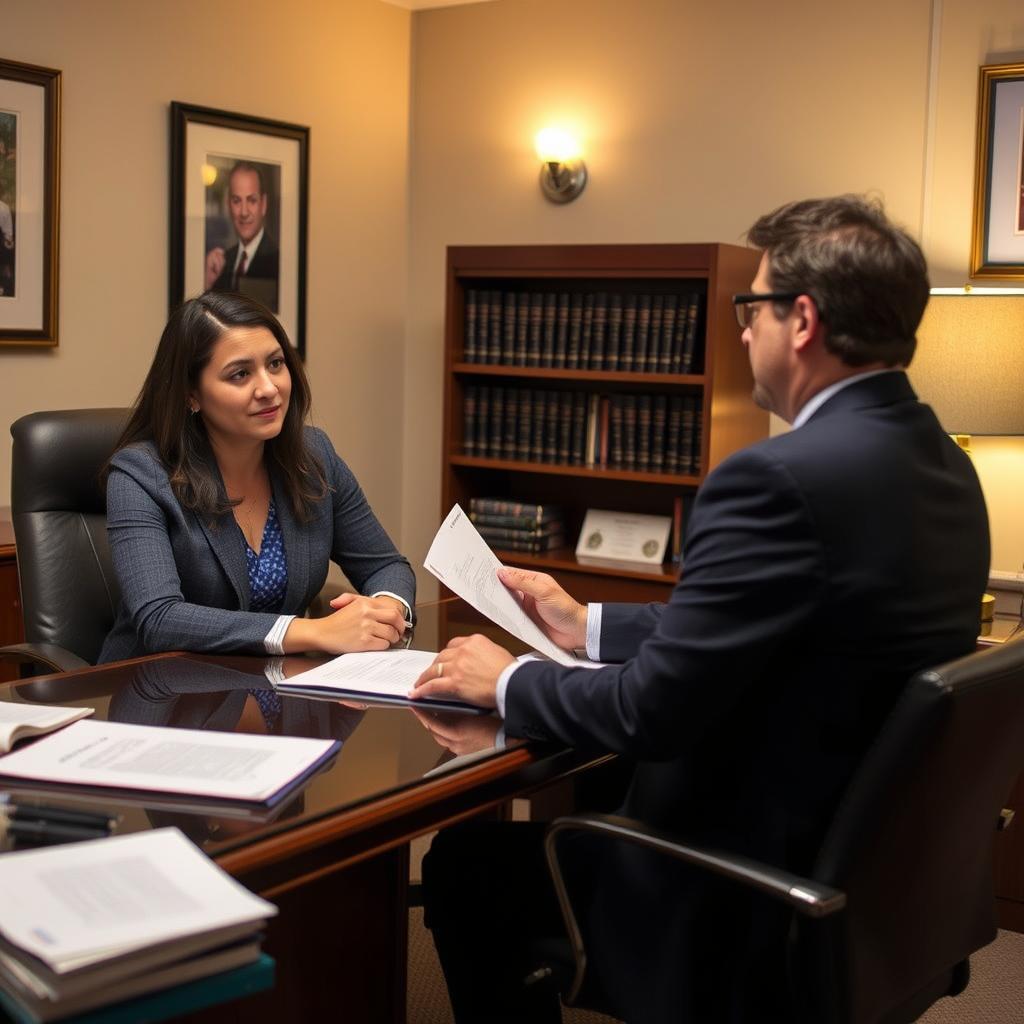
Can a DUI be dismissed in Bronx
Can a DUI be dismissed in the Bronx? In certain circumstances, yes. DUI charges in New York—whether classified as Driving While Intoxicated (DWI), Driving While Ability Impaired (DWAI), or Aggravated DWI—may be dismissed if the prosecution’s evidence is insufficient, your constitutional rights were violated, or procedural errors affected the arrest or testing process. The Bronx Criminal Court, part of the New York City Criminal Court, hears DUI cases. A dismissal might result from a successful motion to suppress evidence, a finding that the traffic stop lacked reasonable suspicion, or a challenge to the reliability of chemical test results. However, dismissal is never automatic. Many cases are resolved through a reduction to a less serious charge or a not-guilty verdict at trial. If you are facing a DUI charge in the Bronx, understanding the possible avenues to challenge the government’s case is critical. Law Offices Of SRIS, P.C. represents clients in Bronx DUI matters. Reach our location at (888) 437-7747 to request a consultation. Law Offices Of SRIS, P.C. – Advocacy Without Borders.
How DUI Cases May Be Dismissed in the Bronx
DUI dismissals in the Bronx generally result from pretrial motions that expose constitutional or evidentiary weaknesses in the prosecution’s case. A common ground is a lack of probable cause for the initial traffic stop. If an officer stopped your vehicle without a valid legal basis—such as a traffic violation, erratic driving, or a checkpoint that did not follow established protocols—the court may suppress all evidence obtained after the stop. Without that evidence, the prosecution cannot proceed, and the case may be dismissed.
Other dismissal scenarios involve issues with the administration of chemical tests. New York’s implied‑consent law requires officers to follow specific procedures when requesting a breath, blood, or urine sample. If those procedures were not followed, or if the testing device was not properly calibrated or maintained, the test results may be excluded. In some cases, a dismissal can also arise from a violation of the right to counsel or from the prosecution’s failure to provide timely discovery. Because each case rests on its own facts, an experienced attorney can evaluate whether any of these defenses apply to your Bronx DUI charge.
Frequently Asked Questions
Can a DUI case be dismissed in Bronx, New York?
Yes, a DUI case in the Bronx can be dismissed if the evidence against you is legally insufficient or was obtained in violation of your rights. Dismissal is not a routine outcome, but it is possible. The most common paths to dismissal are a successful motion to suppress evidence—because the stop lacked probable cause, the arrest was unlawful, or the breath or blood test was not administered properly—or a finding that the prosecution cannot prove its case beyond a reasonable doubt. The Bronx Criminal Court hears all DUI cases, and the prosecution must meet a high burden of proof. An attorney can identify the specific weaknesses in the government’s evidence and argue for dismissal before trial.
What are the possible outcomes of a DUI case in the Bronx?
The possible outcomes of a Bronx DUI case include dismissal, reduction to a non-criminal traffic infraction, conviction at trial, or acquittal. A DWI charge (a misdemeanor under New York law) may be resolved by a plea to DWAI, a traffic infraction that avoids a criminal record. Other outcomes may include participation in a treatment program, conditional discharge, or, if the case goes to trial, a not‑guilty verdict. The outcome depends on the strength of the evidence, the police conduct, and the defense strategy. Each case follows the procedures of the Bronx Criminal Court.
What happens if the police stopped me without probable cause?
If the police stopped your vehicle without probable cause or reasonable suspicion, any evidence obtained after the stop may be suppressed and the DUI charge can potentially be dismissed. A traffic stop must be justified by a legitimate reason—speeding, a broken taillight, or an observable traffic infraction. If your attorney can show the stop was unlawful, the court may exclude the officer’s observations, field sobriety test results, and any breath or blood evidence. Without that evidence, the prosecution often cannot move forward, and the case may be dismissed.
Can a DUI be reduced to a lesser charge in New York?
Yes, a DWI charge in the Bronx can often be reduced to a Driving While Ability Impaired (DWAI) charge, which is a traffic infraction rather than a crime. DWI is a misdemeanor punishable by a criminal record and significant penalties. A reduction to DWAI avoids a criminal conviction and typically results in a fine, a license suspension, and possibly a traffic‑school requirement. Prosecutors may agree to this reduction when the evidence of intoxication is not strong—for example, a borderline chemical test result or weak field‑sobriety evidence. An experienced attorney can negotiate for this or another favorable resolution.
How does the Bronx Criminal Court handle DUI cases?
The Bronx Criminal Court handles DUI cases as part of the New York City Criminal Court system, scheduling arraignments, hearings, and trials. After arrest, you will be arraigned and formally advised of the charges. The court may set bail or release you on your own recognizance. Your attorney can file motions, including any suppression motions, and engage in plea negotiations with the prosecutor. If the case is not resolved by dismissal or plea, it proceeds to trial, where the prosecution must prove guilt beyond a reasonable doubt. The Bronx court follows the procedures set out in the New York Criminal Procedure Law.
Do I need a lawyer for a DUI in the Bronx?
Yes, you should strongly consider retaining a lawyer for any DUI charge in the Bronx because the consequences of a conviction are serious and long‑lasting. A DWI conviction can result in jail time, fines, license revocation, a permanent criminal record, and increased insurance costs. An experienced attorney can evaluate the police reports, challenge the legality of the stop, scrutinize the chemical test results, and negotiate on your behalf. Even a first offense can carry severe penalties, and the prosecutor will not dismiss a case simply because you ask. Legal guidance protects your rights at every stage.
What should I do immediately after a DUI arrest in the Bronx?
Immediately after a DUI arrest in the Bronx, you should request a consultation with an attorney, preserve all documents related to your arrest, and avoid discussing your case with anyone except your lawyer. Do not post about the incident on social media. Your attorney will need information about the stop, the field sobriety tests, and any chemical test that was administered. If you were given a summons or a hearing date, note the court appearance information. Early intervention can help identify issues—such as a defective stop or an improperly administered test—that may lead to a dismissal or reduction.
Can a first offense DUI be dismissed?
Yes, a first offense DUI in the Bronx can be dismissed under the same legal standards as any other DUI case—where the evidence is insufficient or was obtained illegally. A first offense does not guarantee leniency, but it can sometimes strengthen the argument for a lesser penalty or diversion if dismissal is not possible. Prosecutors and judges may consider a clean prior record when evaluating a plea offer. However, the same constitutional and procedural defenses apply regardless of your record, and an attorney will pursue the strong outcome under the specific facts of your case.
What is the difference between DWI and DWAI in New York?
In New York, DWI (Driving While Intoxicated) is a criminal misdemeanor, while DWAI (Driving While Ability Impaired) is a traffic infraction—not a crime—and carries less severe penalties. DWI is charged when your blood alcohol content (BAC) is 0.08 percent or higher, or when you show clear signs of intoxication. DWAI may be charged when your ability to drive is impaired by alcohol to any extent, even if your BAC is below 0.08. An Aggravated DWI applies for a BAC of 0.18 or higher. The distinction matters because a DWI conviction creates a criminal record, while a DWAI does not.
How long does a DUI stay on your record in New York?
A DWI conviction in New York remains on your criminal record permanently unless it is sealed under specific circumstances. New York does not expunge convictions. A DWAI adjudication is a traffic infraction and may not appear on a criminal background check, but it remains on your driving record for several years and can affect insurance rates. Sealing is available for certain eligible convictions after a waiting period and upon a court finding. Because a DUI can have long‑term consequences, pursuing a dismissal or reduction at the earliest stage is important.
Can a DUI conviction be expunged in New York?
New York does not expunge DUI convictions, but certain convictions may be eligible for sealing under the state’s sealing statute. Expungement is generally not available for criminal convictions in New York. For eligible offenses, a person may petition to have records sealed after a designated waiting period and only if no new criminal activity has occurred. Traffic infractions like DWAI are not criminal convictions and do not need to be sealed in the same way. Because a DWI conviction can affect employment, housing, and professional licensing, the favorable outcomes is avoiding a conviction altogether.
About Mr. Sris and His Of Counsel Team
Mr. Sris, Owner and Founder of Law Offices Of SRIS, P.C., established the firm in 1997 and is admitted to practice in Virginia, Maryland, the District of Columbia, New Jersey, and New York. As a former prosecutor, he brings an understanding of how the prosecution builds its case, a perspective that informs the defense strategies developed for clients facing DUI charges in the Bronx. Mr. Sris testified before the Virginia House Courts of Justice Committee in support of 2019 HB 635 (chief patron Del. David Bulova). He and his Of Counsel bring extensive combined legal experience to each matter. Results may vary.
Manhattan DUI lawyers |
Brooklyn DUI defense |
Queens DUI attorneys |
Nassau County DUI representation
Attorney advertising. Prior results do not guarantee a similar outcome. Case results depend on a variety of factors unique to each case. Results may vary.