
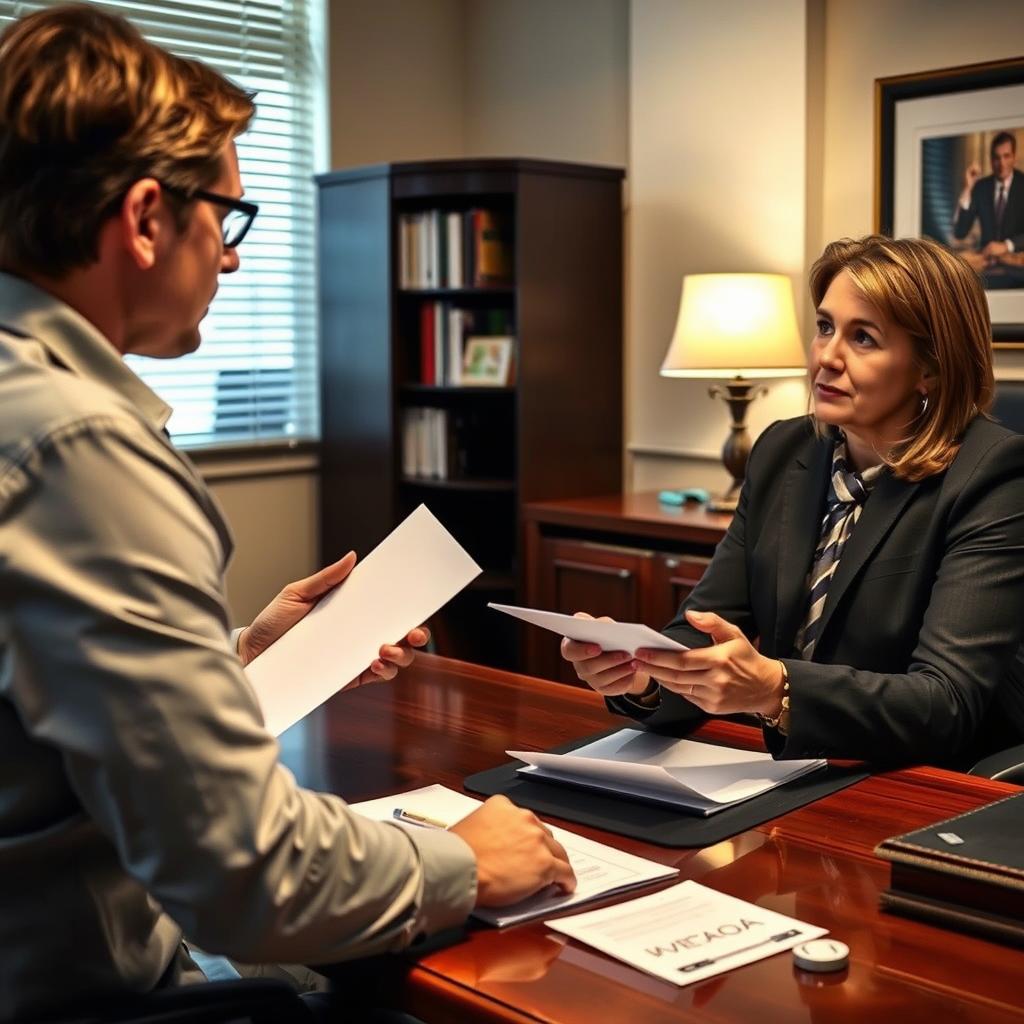
Breath Test Refusal Lawyer Baltimore, MD
A driver is pulled over after leaving a downtown Baltimore restaurant. The officer detects an odor of alcohol and asks him to perform field sobriety tests. When the officer then requests a breath test at the station, the driver hesitates and says, “I’d rather not.” Within minutes he receives a citation for refusal and learns his Maryland driver’s license will be suspended. This scenario plays out at stops along I-95, on Pratt Street, and near the Inner Harbor every weekend. If you refused a breath test in Baltimore — or if you are worried about the consequences of a prior refusal — you need experienced legal guidance quickly. Law Offices Of SRIS, P.C., founded in 1997, defends individuals facing breath test refusal allegations and related traffic matters throughout Maryland. Call (888) 437-7747 to schedule a consultation. Law Offices Of SRIS, P.C. — Advocacy Without Borders.
What Breath Test Refusal Means in Baltimore, Maryland
Maryland’s implied consent law requires drivers lawfully arrested for a suspected alcohol-related offense to submit to a chemical breath test. When a driver refuses, the refusal triggers an immediate administrative process through the Maryland Motor Vehicle Administration (MVA). The officer typically confiscates the driver’s license on the spot and issues a temporary paper permit along with a notice of suspension. The driver then has a limited window to request an MVA hearing to contest the suspension.
In Baltimore, breath test refusal cases are handled by the MVA’s administrative hearing process, but the refusal can also surface in any related criminal DUI or DWI case heard before the District Court of Maryland for Baltimore City at 5800 Wabash Avenue. Because a refusal is often seen as evidence of consciousness of guilt, both the MVA case and the criminal traffic matter demand careful attention. Maryland’s point system — where 8 points triggers an MVA hearing and 12 points means revocation — adds another dimension, though the refusal itself does not assess points. Still, the suspension and the notation on the driver’s record can affect employment, insurance, and commercial driver’s license (CDL) eligibility.
How Mr. Sris and His Of Counsel Handle Breath Test Refusal Cases
When a client faces a breath test refusal in Baltimore, the team begins by examining the traffic stop for constitutional and procedural compliance. An officer’s failure to articulate reasonable suspicion for the initial stop or to inform the driver of the consequences of refusal in the manner required by Maryland law can form the basis for challenging the suspension and the underlying charge. Mr. Sris and his Of Counsel gather dashcam and body-worn camera footage, review arrest reports, and identify any breaks in protocol.
At the MVA hearing, the government must prove that the officer had reasonable grounds to believe the driver was under the influence, that the driver was placed under arrest, and that the driver refused the test after being properly advised. Our attorneys cross-examine the officer, present documentary evidence, and argue for the reinstatement of driving privileges. If the refusal suspension is upheld, we advise on modified or restricted licenses and ignition interlock options where appropriate. In parallel, we prepare the underlying traffic or DUI matter for trial, challenging the state’s evidence and working toward a disposition that protects the client’s record and future.
About Mr. Sris and His Of Counsel Team
Mr. Sris, Owner and Founder of Law Offices Of SRIS, P.C., began his legal career as a prosecutor. He understands both sides of the courtroom and applies that insight to every traffic and criminal defense file he handles. Since founding the firm in 1997, he has built a multi‑state practice that represents clients across Maryland and four other jurisdictions.
Mr. Sris and his Of Counsel bring over 120 years of combined legal experience. Results may vary. Together they have documented 4,739+ case results in all practice areas since 1997. The team includes attorneys with former prosecutorial and law‑enforcement backgrounds who are deeply familiar with Baltimore City enforcement practices and the procedures of the District Court of Maryland for Baltimore City.
Frequently Asked Questions
What happens if I refuse a breath test in Baltimore, Maryland?
Refusing a breath test in Maryland triggers an automatic license suspension by the MVA and may also be used as evidence in a criminal DUI or DWI trial. After a refusal, the officer seizes your license and issues a temporary paper permit and a notice of suspension. You have a short period to request an MVA hearing. At the hearing, the MVA determines whether the suspension should stand. The length of suspension depends on whether this is a first or subsequent refusal and may range from several months to a year. The refusal itself does not add points, but it creates a separate administrative record that can complicate plea negotiations and sentencing in any related criminal case.
Can I fight a breath test refusal suspension in Maryland?
Yes, you can challenge a refusal suspension at an MVA administrative hearing. The hearing focuses on whether the officer had reasonable grounds to believe you were impaired, whether you were lawfully arrested, and whether you refused the test after being adequately advised of the consequences. An experienced attorney can cross-examine the officer, present evidence of procedural errors, and argue that the suspension should not be imposed. If the hearing goes well, your driving privileges may be fully restored, and the refusal may not be admitted in a related criminal proceeding. Even if the suspension is upheld, an attorney can advise on work‑related restricted licenses or ignition interlock options.
How long does an MVA suspension last for a breath test refusal?
The suspension period for a breath test refusal varies based on whether it is a first or subsequent refusal and the circumstances of the arrest. Generally, a first refusal can lead to a suspension that lasts several months, while a second or subsequent refusal within a specified look‑back period can result in a longer suspension. These periods are set by Maryland statute and the MVA’s guidelines. The length of suspension is determined at the MVA hearing, and an attorney can argue for a shorter term or for a modified license that permits driving to and from work.
Do I need a lawyer for a breath test refusal in Baltimore?
The breath test refusal process involves both an administrative suspension and potential criminal charges, making legal representation important to protect your license and record. An attorney can request the MVA hearing within the strict deadline, prepare a defense strategy that challenges the legality of the stop and the refusal advisement, and negotiate with the state to avoid license consequences or reduce charges. Without a lawyer, a missed deadline or an unrepresented appearance at the MVA hearing can result in a final, unappealable suspension that affects your ability to drive for months and appears on your record for years.
Will a breath test refusal affect my criminal DUI case?
Yes, a breath test refusal can be introduced as evidence in a criminal DUI or DWI prosecution. Prosecutors often argue that a conscious refusal indicates the driver knew they were under the influence. However, an attorney can challenge the admission of the refusal evidence on constitutional grounds or argue that the advisement was defective. In many cases, the refusal suspension is handled separately from the criminal case, but the outcome of the MVA hearing can influence the prosecution’s plea offer and trial strategy. A comprehensive defense addresses both the MVA suspension and the criminal allegations simultaneously.
Related pages: Montgomery County Breath Test Refusal Lawyer · Prince George’s County Breath Test Refusal Lawyer · Howard County Breath Test Refusal Lawyer · Baltimore County Breath Test Refusal Lawyer · Anne Arundel County Breath Test Refusal Lawyer
Attorney advertising. Prior results do not guarantee a similar outcome.
Case results depend on a variety of factors unique to each case.