
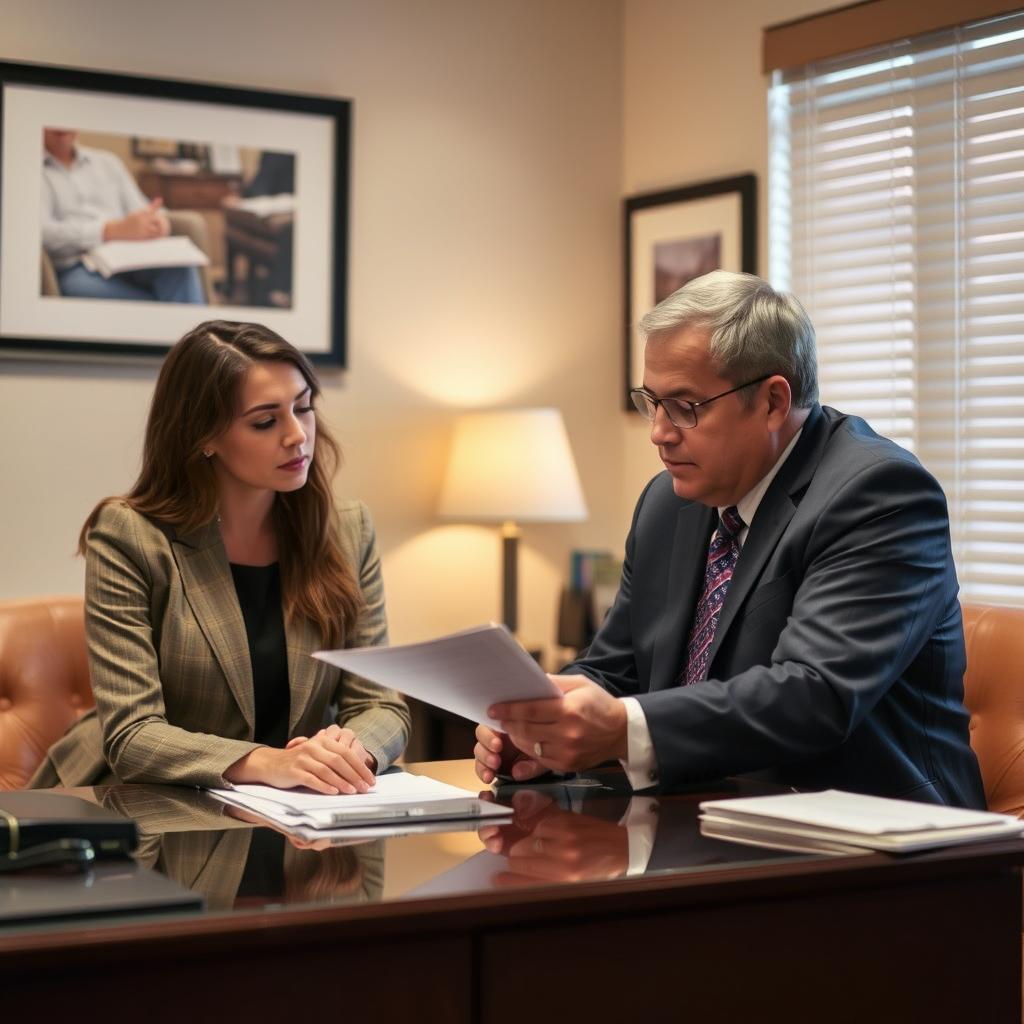
Can I get a restricted license after a DUI in Westchester County
If you have been charged with driving while intoxicated (DWI) in Westchester County, you may be concerned about your ability to drive to work, attend medical appointments, or take care of your family. New York law does provide a path to a restricted driving privilege—commonly called a conditional license—for certain individuals after a DWI arrest or conviction. Understanding the eligibility requirements and application process is critical, because a mistake can lead to an extended suspension or additional penalties. Mr. Sris and his Of Counsel advise drivers on their options and guide them through the administrative procedures before the Department of Motor Vehicles and in court. To discuss your specific situation, call Law Offices Of SRIS, P.C. at (888) 437-7747. Law Offices Of SRIS, P.C. – Advocacy Without Borders.
What is a restricted license after a DUI in Westchester County?
In New York, the term “restricted license” generally refers to a conditional driving privilege that allows a person to operate a motor vehicle under limited circumstances while their full license is suspended or revoked. Following an alcohol-related driving offense, the Department of Motor Vehicles (DMV) may issue a conditional license if the driver meets statutory criteria and successfully applies through the appropriate procedural channel. This privilege typically permits driving to and from work, school, medical appointments, and the Impaired Driver Program (IDP). It does not allow unrestricted driving, and any violation of the conditional terms can result in immediate revocation and additional consequences.
In Westchester County, DWI cases are heard in the local city, town, or village court where the offense occurred, or in the superior court for felony matters. The court and the DMV both play roles in driver sanction and reinstatement. Because Westchester County lies within the 9th Judicial District and is outside New York City, the Traffic Violations Bureau (TVB) does not handle these cases; local courts preside, and plea negotiations and sentencing are at the discretion of the judge. The availability of a conditional license depends on the specific violation, prior history, and compliance with court-ordered and DMV-mandated programs.
Understanding New York DUI laws and license sanctions
New York’s driving-while-intoxicated statutes are codified in Article 31 of the Vehicle and Traffic Law. The principal offenses include Driving While Intoxicated (VTL § 1192(2) and (3)), Driving While Ability Impaired by Alcohol (VTL § 1192(1)), and Aggravated Driving While Intoxicated (VTL § 1192(2-a)). Under VTL § 1193, a first DWI conviction is a misdemeanor that carries a mandatory license revocation of at least six months, a fine of between $500 and $1,000, and a possible jail term of up to one year. The court may also order participation in the Impaired Driver Program—formerly known as the Drinking Driver Program—and installation of an ignition interlock device as a condition of a conditional license or full relicensing.
For drivers arrested in Westchester County, the administrative license suspension begins at arraignment if the chemical test result is .08% or higher or if a chemical test is refused. The driver has the right to a DMV refusal hearing or a suspension review. During the period of suspension or revocation, applying for a conditional license can provide necessary mobility. However, eligibility is not automatic: a driver with a prior DWI conviction within the preceding ten years, a pending chemical-test refusal finding, or a fatal-accident related charge may be ineligible. An attorney who concentrates in traffic law can review the full sequence of events and help present a strong application package to the DMV.
How to apply for a restricted license after a DUI in Westchester County
The application process typically begins after the administrative suspension period has run, or after a conviction when the revocation term is underway. The driver must first enroll in the Impaired Driver Program with an approved provider. In Westchester County, the program is administered through the county’s STOP-DWI office and contracted providers. Once enrolled, the driver may submit an application to the DMV’s Driver Improvement Unit. The application must include proof of enrollment, payment of any required fees, and certification of insurance (SR-22) in the proper amount.
The DMV then reviews the application and, if approved, issues a conditional license with specific restrictions. The license is usually valid only for the purposes described in the application. Drivers are required to carry the conditional license at all times, and they must comply with any court orders including attendance at IDP sessions and abstention from alcohol. If an ignition interlock device is mandated, the conditional license will be endorsed with an interlock restriction, and the driver cannot operate any vehicle without a device installed. Failure to comply can lead to an immediate DMV hearing and revocation of the conditional privilege. With experienced guidance, applicants can avoid procedural missteps that cause delays or denials.
Role of an attorney in securing a restricted license
The rules governing conditional licenses are complex, and the DMV administrative process often overlaps with the criminal court case. An attorney can help a client evaluate eligibility before entering a plea, negotiate terms that preserve the possibility of a conditional license, and prepare the necessary documentation. At Law Offices Of SRIS, P.C., Mr. Sris and his Of Counsel team have handled traffic matters in New York since 1997. They can appear in Westchester County courts, represent clients at DMV refusal hearings, and assist with conditional-license applications. The firm’s objective is to help clients maintain their livelihood while fulfilling all legal and administrative obligations.
Mr. Sris is admitted in New York, along with Virginia, Maryland, the District of Columbia, and New Jersey. His background as a former prosecutor provides insight into how the prosecution views DWI cases, and his Of Counsel team includes attorneys with extensive experience in traffic defense. Together, they work to achieve favorable outcomes under the circumstances. Results may vary.
About Mr. Sris and His Of Counsel Team
Mr. Sris, Owner and Founder of Law Offices Of SRIS, P.C., has practiced law since 1997. He is a former prosecutor and represents individuals in criminal and traffic matters across five states. Mr. Sris testified before the Virginia House Courts of Justice Committee in support of 2019 HB 635 (chief patron Del. David Bulova). He provides direct oversight on the firm’s DWI and traffic cases, and every matter benefits from the collective experience of the firm’s Of Counsel. No attorney at the firm is an associate or employee; all are Of Counsel, which means each brings independent experience and perspective to the table. Mr. Sris and his Of Counsel bring over 120 years of combined legal experience, with over 4,739 documented firm-wide results. Results may vary.
Frequently Asked Questions
Can I get a restricted license after a DUI in Westchester County?
Yes, many drivers in Westchester County can obtain a conditional license after a DWI arrest or conviction if they meet DMV eligibility criteria and enroll in the Impaired Driver Program. The conditional license allows driving for specific purposes such as work, school, medical appointments, and program attendance. Eligibility depends on your offense, prior record, and compliance with court and DMV requirements. An attorney can review your situation and guide you through the application process before the DMV and local courts.
What is the difference between a conditional license and a full license reinstatement?
A conditional license permits driving only for designated purposes during the suspension or revocation period, while full license reinstatement restores all driving privileges after the sanction ends and all conditions are met. With a conditional license, you cannot drive for personal errands or leisure; you must carry the conditional license document at all times. Full reinstatement requires completion of any mandated programs, payment of the license reinstatement fee, and proof of insurance, and may also require an ignition interlock device for a set period.
Will a DWI arrest immediately suspend my license in Westchester County?
Yes, your license will be suspended at arraignment if your blood alcohol content was .08% or higher, or if you refused a chemical test. The suspension is administrative and separate from the criminal case. You have a limited time to request a DMV refusal hearing or to challenge the suspension. If you fail to request a hearing, the suspension continues for the statutory period. A traffic attorney can represent you at the hearing and argue for the suspension to be lifted or for a conditional privilege to be granted.
How does the Impaired Driver Program work in Westchester County?
The Impaired Driver Program (IDP) consists of classroom sessions covering the dangers of impaired driving and strategies to avoid recidivism. In Westchester County, IDP is offered through providers approved by the New York State DMV and the county’s STOP-DWI office. Drivers must pre-enroll and pay a fee; attendance is mandatory. Successful completion is typically a prerequisite for obtaining a conditional license and eventually for relicensing. Missing classes or any violation can result in removal from the program and license revocation.
Are there any situations where I cannot get a restricted license after a DUI?
Yes, you may be ineligible for a conditional license if you have a prior DWI conviction within ten years, a pending chemical-test refusal with no hearing, a DWI involving a fatal accident, or certain felony DWI charges. Additionally, a conditional license will not be issued if your driving record shows a history of serious traffic offenses or if you fail to provide the required insurance certification. Each case is evaluated individually by the DMV. A lawyer can assess your eligibility and, if you are ineligible, explore other legal avenues to mitigate the impact on your daily life.
What are the penalties for a first offense DWI in Westchester County?
A first-offense DWI (VTL § 1192(2)) in Westchester County is a misdemeanor punishable by a fine of $500 to $1,000, a license revocation of at least six months, and a possible jail sentence of up to one year. The court may also order a surcharge, community service, and enrollment in the Impaired Driver Program. If you are convicted of Aggravated DWI (VTL § 1192(2-a) with a BAC of .18 or higher), the fine increases and the maximum jail remains one year. Westchester County courts often impose ignition interlock device requirements as part of a sentence or conditional discharge.
How long does the conditional license application take?
The DMV processing time for a conditional license application varies depending on the completeness of your paperwork and current caseload. In some cases, a conditional license may be issued within a few weeks; in others, additional documentation or corrections can extend the timeline. Working with an attorney can help ensure your application is complete and avoid unnecessary delays. The DMV will notify you by mail once a decision is made; you cannot drive until you receive the physical conditional license document.
Will an out-of-state driver face license actions in Westchester County?
Yes, if you hold an out-of-state license and are convicted of DWI in Westchester County, New York will report the conviction to your home state through the Driver License Compact. Your home state may then impose its own suspension or revocation, independent of New York’s sanctions. You must comply with both New York’s requirements and your home state’s process. An attorney can coordinate your defense in the Westchester County court while you manage home-state consequences.
Should I fight a traffic ticket in Westchester County, New York?
Usually yes, if the charge carries demerit points or criminal exposure. Prepaying a ticket is a guilty plea—it adds points to your record, may raise insurance for years, and cannot be undone. At Westchester County local Justice Court, an attorney can negotiate reductions, present calibration and technical defenses, and in many cases avoid conviction entirely. Reckless driving, DUI, and suspended-license charges should never be paid without consultation. Law Offices Of SRIS, P.C. — (888) 437-7747.
What should I bring to a consultation about a DUI case?
Bring any paperwork you received from the police, including the ticket, chemical test results, and any court appearance notice. Also bring your driver’s license (or a copy), any correspondence from the DMV, and a list of questions you have. Having these documents ready helps an attorney evaluate your case quickly and provide accurate guidance on the conditional license and defense options. Keep all documents in a single folder for easy reference.
Can I speak with an attorney directly about my Westchester County DUI?
Yes, you can request a consultation with Law Offices Of SRIS, P.C. by calling (888) 437-7747. The firm’s intake staff will collect basic information, and Mr. Sris or one of his Of Counsel will review your matter. Consultations are by appointment. The firm represents clients in all Westchester County courts, including those in White Plains, Yonkers, New Rochelle, Mount Vernon, and other municipalities.
Is there a difference between a DWI and a DWAI in New York?
Yes, Driving While Ability Impaired (DWAI) is a lesser offense under VTL § 1192(1) that does not require proof of intoxication, only that the driver’s ability was impaired by alcohol. A DWAI is a traffic infraction, not a crime, and carries a maximum jail term of 15 days, a fine as provided by law, and a 90-day license suspension. A DWI, by contrast, is a misdemeanor with at least a six-month revocation. Both can affect your license and insurance, but the consequences of a DWI are more severe.
For more information about traffic defense in neighboring counties, visit our pages: New York County (Manhattan) Traffic Lawyer · Kings County (Brooklyn) Traffic Lawyer · Queens County Traffic Lawyer · Richmond County Traffic Lawyer · Nassau County Traffic Lawyer.
Outbound authority links: NY DMV – Alcohol/Drug Violation Penalties · Westchester County Supreme Court · New York State Unified Court System.
Attorney advertising. Prior results do not guarantee a similar outcome.
Case results depend on a variety of factors unique to each case.
Results may vary.