
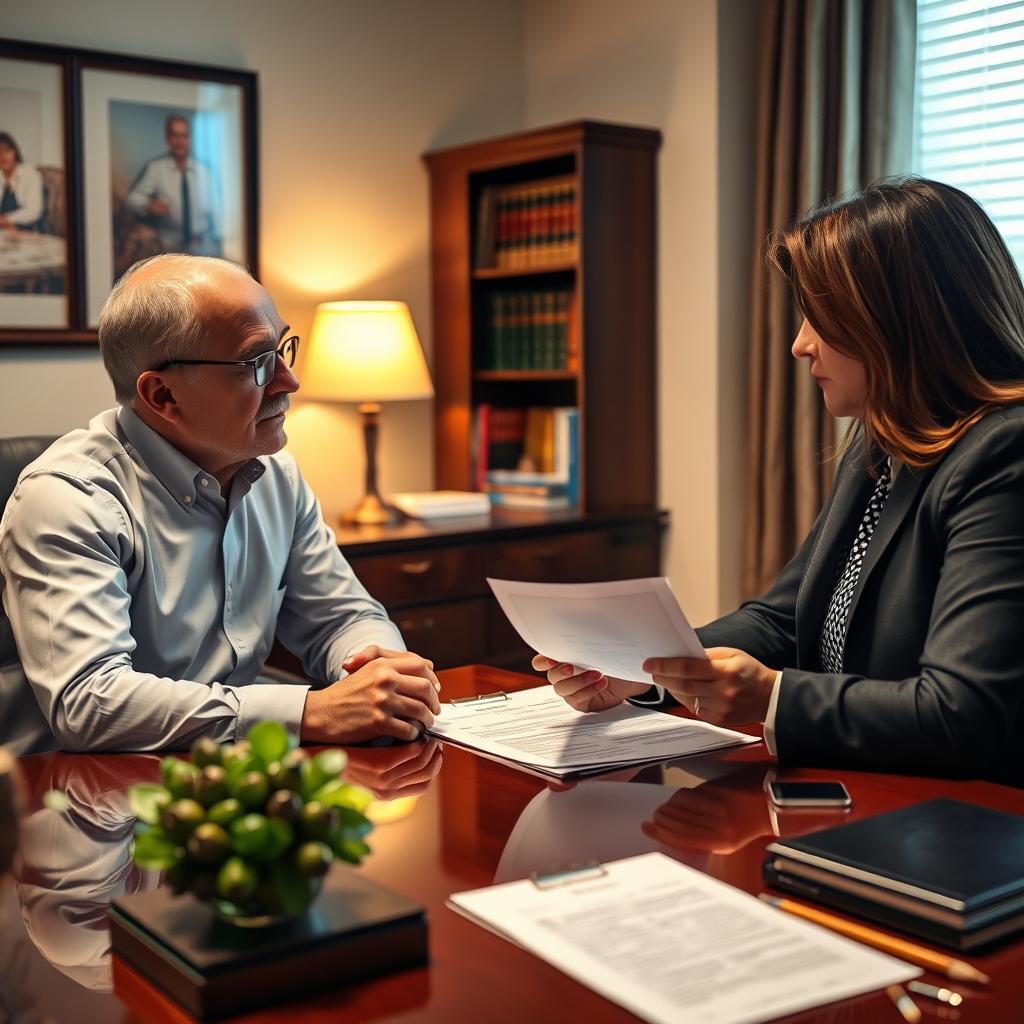
DWI Lawyer Niagara County, NY
A DWI charge in Niagara County, New York, is not a minor traffic ticket. Under New York’s Vehicle and Traffic Law (VTL), a conviction can lead to a criminal record, substantial fines, driver’s license revocation, and even jail time. Repeat offenses or an aggravated blood alcohol concentration increase the stakes. In Niagara County, DWI cases are prosecuted in local justice courts—such as the Lockport City Court, Niagara Falls City Court, or one of the many town and village courts—or, for felony-level charges, in Niagara County Supreme Court. Because these local courts operate outside the New York City Traffic Violations Bureau, prosecutors and judges have discretion to consider negotiated resolutions and reduced charges. An experienced attorney who understands the local court practices can identify weaknesses in the prosecution’s case, challenge field sobriety and breath test evidence, and advocate for a dismissal or reduction. Law Offices Of SRIS, P.C. defends DWI cases in Niagara County and throughout New York. Mr. Sris, a former prosecutor—and his Of Counsel team—bring decades of DWI defense experience to each matter. Call (888) 437-7747 to schedule a consultation. Law Offices Of SRIS, P.C. – Advocacy Without Borders.
What a DWI Charge Means in Niagara County
In New York, DWI is not a single charge. The VTL defines several alcohol- and drug-related driving offenses, each with its own elements and penalties. Under VTL § 1192, a driver may be charged with driving while intoxicated per se (blood alcohol content of 0.08% or higher), aggravated DWI (0.18% BAC or higher), driving while ability impaired by alcohol (DWAI, BAC between 0.05% and 0.07%), driving while ability impaired by a single drug other than alcohol, or a combination of alcohol and drugs. Commercial drivers face a lower per se threshold (0.04%), and drivers under 21 face a zero-tolerance policy. A DWI conviction—even a first offense—is a misdemeanor that creates a permanent criminal record, carries a mandatory fine and surcharge, and results in a six-month minimum license revocation. The New York DMV assesses driver responsibility fees on top of court-imposed fines, and insurance rates typically increase significantly for several years.
In Niagara County, most DWI cases start in one of the local justice courts—city courts in Lockport, Niagara Falls, or North Tonawanda, or town and village courts in communities like Lewiston, Sanborn, Newfane, Cambria, Ransomville, Wilson, and Youngstown. If the charge is a felony DWI—for example, a second DWI within ten years or a DWI involving a child passenger—the matter proceeds to Niagara County Supreme Court in Lockport. Unlike the Traffic Violations Bureau in New York City, where no plea bargaining is permitted, local justice courts outside NYC allow prosecutors and defense counsel to negotiate reductions to a non-criminal traffic infraction—such as driving while ability impaired—or to a lesser charge when the evidence warrants. An attorney who is familiar with the judges’ expectations and the local prosecutor’s policies can present mitigation, challenge the stop and the breath test, and guide the client toward a more favorable resolution. The firm’s New York location—50 Fountain Plaza, Suite 1400, Office No. 142, Buffalo, NY 14202—is accessible for meetings by appointment, and we appear regularly in Niagara County courts.
How Mr. Sris and His Of Counsel Handle DWI Cases in Niagara County
Mr. Sris and his Of Counsel team approach every DWI matter with a systematic review of the stop, the investigation, and the chemical test. The first step is to determine whether the traffic stop was lawful. If law enforcement lacked reasonable suspicion to pull the vehicle over, the entire case may be dismissed. We examine the administration of field sobriety tests—horizontal gaze nystagmus, walk-and-turn, and one-leg stand—for compliance with standardized protocols. We review the calibration and maintenance records of the breath test instrument, the qualifications of the operator, and whether the statutory fifteen-minute observation period was observed. If a blood test was taken, we scrutinize the chain of custody and the laboratory’s accreditation and procedures.
Because Niagara County lies outside the TVB’s jurisdiction, plea negotiations are available. Where the evidence presents weaknesses, we pursue a reduction to a non-criminal violation such as DWAI or, in appropriate circumstances, to an even lesser traffic infraction that avoids a criminal record. For felony DWI charges, we develop a defense strategy that may include pretrial motions to suppress evidence, detailed discovery demands, and, if necessary, trial before a jury. Throughout the process, we advise clients on the administrative consequences with the New York DMV—including the refusal hearing if a chemical test was declined—and on any ignition interlock or alcohol-education requirements that may flow from the disposition. The timeline of a DWI case varies with the court’s docket and the complexity of the legal issues, but clients receive regular, candid updates on the status of their matter. Results may vary.
About Mr. Sris and His Of Counsel Team
Mr. Sris is Owner and Founder of Law Offices Of SRIS, P.C., a multi-state law firm practicing since 1997. He is admitted in Virginia, Maryland, the District of Columbia, New Jersey, and New York. Before founding the firm, Mr. Sris served as a prosecutor, an experience that gives him firsthand insight into how the state builds a DWI case and the evidentiary weak points that can be challenged. Mr. Sris testified before the Virginia House Courts of Justice Committee in support of 2019 HB 635 (chief patron Del. David Bulova).
Alongside Mr. Sris, the Of Counsel attorneys at the firm bring additional trial experience and subject-matter knowledge. Together, Mr. Sris and his Of Counsel bring over 120 years of combined legal experience, supported by 4,739+ documented firm-wide results. Results may vary. The team handles DWI matters in Niagara County and across New York, appearing before local courts and the Supreme Court in the 8th Judicial District. Every client receives individual attention, and all defense strategies are developed in close consultation with Mr. Sris.
Frequently Asked Questions
Do I need a lawyer for a DWI charge in Niagara County?
Yes—because a DWI conviction creates a criminal record and exposes you to jail, fines, and a lengthy license revocation, you should consult an experienced attorney immediately. Even a first offense is a misdemeanor under New York law, and the long-term consequences—including increased insurance costs, a permanent criminal record, and employment ramifications—are serious. An attorney can scrutinize the stop, challenge the breath or blood test, negotiate with the prosecutor, and advocate for a reduced charge or even a dismissal. In local courts outside the TVB, skilled negotiation can often lead to a non-criminal disposition. For guidance on your specific situation, reach Law Offices Of SRIS, P.C. at (888) 437-7747.
What are the penalties for a first-offense DWI in New York?
A first-offense DWI (0.08% BAC or higher) is a misdemeanor punishable by up to one year in jail, a fine of $500 to $1,000, a six-month minimum license revocation, and a mandatory driver responsibility assessment of $250 per year for three years. An aggravated DWI (0.18% or higher) carries similar maximum incarceration but a more substantial fine and longer license revocation. For a first-offense DWAI (ability impaired by alcohol), the violation is a traffic infraction, not a crime, with a fine and a 90-day suspension. The exact sentence depends on the facts of the case, the judge, and the plea agreement reached. Because every case is different, speak with a defense lawyer about your options. To discuss the details of your matter, contact Law Offices Of SRIS, P.C. at (888) 437-7747.
Can a DWI be reduced to a non-criminal offense in Niagara County?
Yes—because Niagara County’s local justice courts are not part of the New York City Traffic Violations Bureau, prosecutors have the authority to negotiate plea agreements that reduce a DWI to a non-criminal traffic infraction such as driving while ability impaired (DWAI) when the evidence supports it. A reduction can avoid a criminal record, lower the fine and license consequences, and minimize the long-term damage. The possibility of a reduction depends on factors such as the defendant’s blood alcohol concentration, the strength of the state’s evidence, any prior offenses, and the specific court. An experienced attorney can present mitigation and challenge the prosecution’s case to maximize the chance of a favorable plea. For a consultation, reach Mr. Sris and his Of Counsel at (888) 437-7747.
How does a refusal to take a breath test affect my DWI case?
A chemical test refusal in New York triggers a separate administrative proceeding before the DMV and results in a one-year license revocation for a first refusal, even if the criminal DWI charge is ultimately dismissed. The refusal can also be used as evidence of consciousness of guilt in the criminal case, though an attorney may argue that the absence of a chemical test weakens the prosecution’s ability to prove intoxication. At the DMV refusal hearing, the issues are whether the officer had reasonable grounds to believe you were driving under the influence, whether you were given sufficient warning, and whether you actually refused. A successful defense at the refusal hearing can prevent the administrative revocation and protect your driving privileges. To discuss the details of your matter, contact Law Offices Of SRIS, P.C. at (888) 437-7747.
Does Law Offices Of SRIS, P.C. handle felony DWI cases in Niagara County Supreme Court?
Yes—Mr. Sris and his Of Counsel team appear in Niagara County Supreme Court for felony DWI charges, including repeat offenses, aggravated DWI with a child passenger, and DWI involving serious injury or death. Felony DWI carries the possibility of state prison time, a longer license revocation, and substantial fines. The firm’s approach includes active pretrial motions, thorough discovery review, consultation with forensic experts when warranted, and, where appropriate, negotiation for a reduced charge. Mr. Sris’s prosecutorial background gives him insight into the strategies the District Attorney’s office may employ. For a consultation, reach Mr. Sris and his Of Counsel at (888) 437-7747. Results may vary.
What should I bring to a consultation with a DWI lawyer?
Bring all paperwork the police gave you—the appearance ticket, the chemical test report, any field sobriety test documents, and the DMV hearing notice—so your attorney can spot issues immediately. Also bring your driver’s license, auto insurance information, and a brief written account of what happened experienced up to the traffic stop. The more information you can provide, the better an attorney can assess the strengths and weaknesses of your case. For guidance on your specific situation, reach Law Offices Of SRIS, P.C. at (888) 437-7747.
Attorney advertising. Prior results do not guarantee a similar outcome.
Case results depend on a variety of factors unique to each case.
Results may vary.