
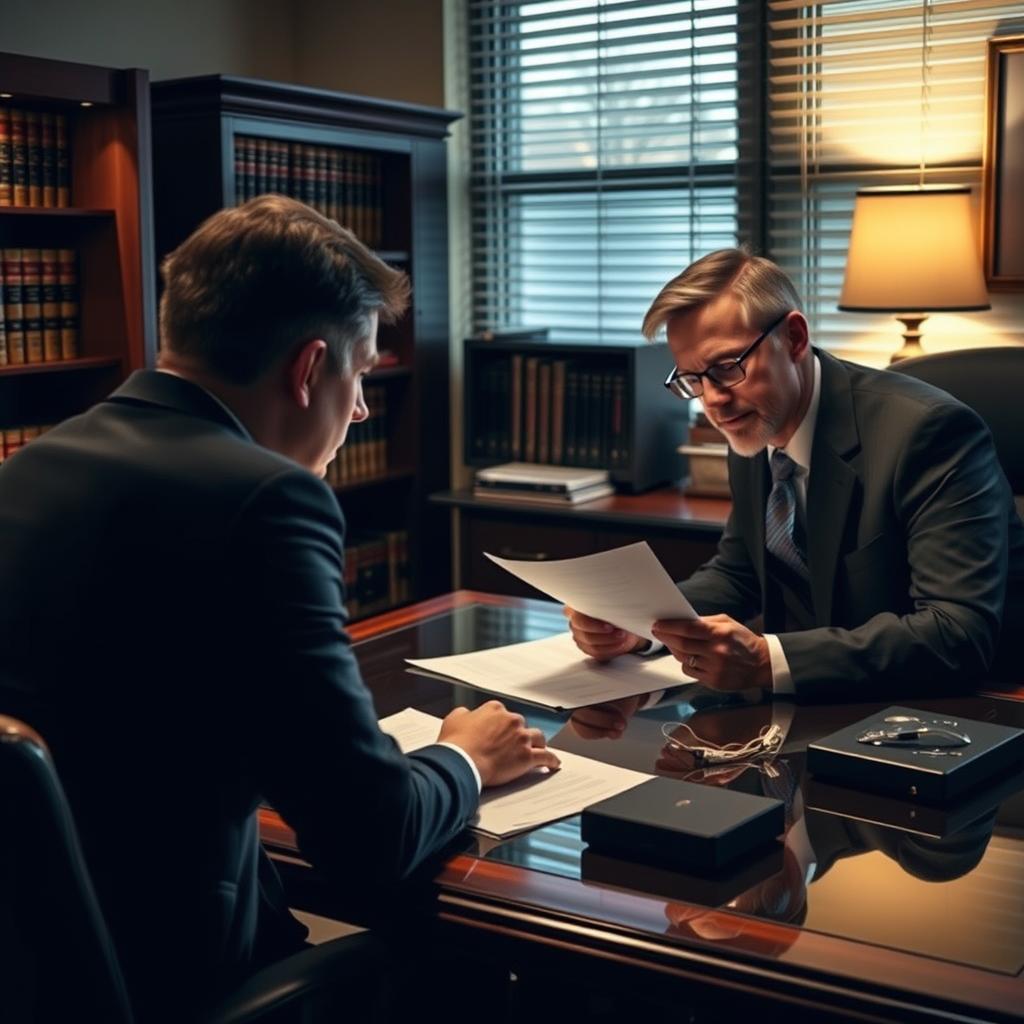
How long does a DUI case take in Rensselaer County
How long a DUI case takes in Rensselaer County depends on the specific charge, the court’s calendar, whether the matter resolves by negotiation or proceeds to a hearing, and any scheduling requirements associated with the assigned part of the Rensselaer County Supreme Court or the local justice court where the case originated. In New York, what many people refer to as a “DUI” is legally a driving while intoxicated (DWI) or driving while ability impaired (DWAI) matter under New York Vehicle and Traffic Law. While no two cases follow the same timeline, understanding the general flow of a DWI matter in Rensselaer County can help a person anticipate what lies ahead. Mr. Sris and his Of Counsel team represent drivers facing DWI allegations in Rensselaer County and throughout the Capital District, assisting at each stage from arraignment through final resolution. Reach Law Offices Of SRIS, P.C. at (888) 437-7747 to request a consultation about your particular matter. Law Offices Of SRIS, P.C. – Advocacy Without Borders.
What DWI Means in Rensselaer County
Rensselaer County sits in New York’s Capital District, east of the Hudson River and adjacent to Albany County. Its main population center is the city of Troy, with other communities including East Greenbush, North Greenbush, Schodack, and Brunswick. DWI cases in Rensselaer County can arise from enforcement on Interstate 787, Route 4, Route 7, and local county roads. Because the county includes both urbanized stretches near Troy and more rural areas to the east and south, traffic enforcement patterns vary, but drivers can encounter sobriety checkpoints and saturation patrols at any time of year, particularly around major holidays and college events.
In New York, the relevant offenses are found in New York Vehicle and Traffic Law § 1192. A driver may be charged with DWI per se (blood alcohol content of .08 percent or higher), common-law DWI (impaired to the extent that driving is unsafe, even without a chemical test result), aggravated DWI (BAC of .18 percent or more), DWAI—Alcohol (ability impaired), DWAI—Drugs, or a combination. The distinction between these charges matters because it affects potential penalties, license consequences, and the complexity of the legal issues involved. Cases generally begin in the local justice court for the town or village where the stop occurred, such as the Troy City Court, East Greenbush Town Court, North Greenbush Town Court, or Schodack Town Court. Felony DWI matters (e.g., repeat offenses within ten years) may start in a local court for arraignment and then move to the Rensselaer County Court or Supreme Court. A driver unfamiliar with New York’s structure should know that what is often called a “DUI” in other states is a DWI in New York, and the terminology can affect how charges are documented and reported to other jurisdictions under the Driver License Compact.
How Mr. Sris and His Of Counsel Handle DWI Cases
Mr. Sris is admitted in New York and concentrates his practice on defending drivers against DWI and related traffic charges. Together with his Of Counsel team, he reviews the prosecution’s evidence, scrutinizes the legality of the traffic stop, examines the maintenance and calibration records of any breath-testing instrument, and evaluates whether the field sobriety testing complied with standardized protocols. Because DWI cases involve both scientific and procedural issues, a careful review often reveals questions that can affect the admissibility of evidence or the strength of the prosecution’s case.
The process begins with an initial consultation, during which Mr. Sris and his Of Counsel learn about the facts, explain the likely procedural path, and identify the immediate steps needed to protect the driver’s license and driving privileges. In Rensselaer County, a driver arrested for DWI typically faces an administrative license suspension proceeding through the New York Department of Motor Vehicles in addition to the criminal case in court. Both tracks must be addressed, and the deadlines for requesting a DMV hearing are short. Mr. Sris and his Of Counsel work to preserve the driver’s ability to operate a vehicle while the case proceeds, whether through the DMV hearing process or through the court’s disposition. Throughout the case, they communicate with the District Attorney’s office, file appropriate motions, and, when a negotiated resolution is not in the client’s best interest, prepare the matter for a hearing or trial. Because each DWI case turns on its own facts, the approach is tailored to the specific charge, the evidence, and the individual’s driving history and goals.
About Mr. Sris and His Of Counsel Team
Mr. Sris is the Owner and Founder of Law Offices Of SRIS, P.C., a firm that has been practicing since 1997. He is a former prosecutor who now represents individuals facing criminal and traffic matters across five jurisdictions: Virginia, Maryland, the District of Columbia, New Jersey, and New York. Mr. Sris is admitted in all five jurisdictions, and his background includes a foundation in accounting and information systems, which he applies to cases with financial or evidentiary complexity. He testified before the Virginia House Courts of Justice Committee in support of 2019 HB 635 (chief patron Del. David Bulova).
Mr. Sris works alongside a team of Of Counsel attorneys who bring their own substantial experience to the firm’s DWI defense practice. Together, Mr. Sris and his Of Counsel bring over 120 years of combined legal experience and have achieved 4,739+ documented firm-wide results. Results may vary. Each attorney is engaged through Excella, and the firm maintains a by-appointment-only practice at its New York location. The team’s collective familiarity with Capital District courts, including those in Rensselaer County, means that clients benefit from attorneys who know the local judges, the practices of the District Attorney’s office, and the procedural expectations in each courthouse.
Frequently Asked Questions
How does a DWI case progress in Rensselaer County, New York?
Most DWI cases in Rensselaer County begin with an arraignment in a local justice court and then proceed through pretrial conferences, motion practice, and either a negotiated disposition or a trial. The specific sequence depends on whether the charge is a misdemeanor or felony, the assigned court, and the posture of the prosecution’s evidence. In town and village courts, the initial appearance may involve bail, the issuance of an order of protection, and the scheduling of a future conference date. Mr. Sris and his Of Counsel can appear on the client’s behalf for many proceedings, which can reduce the need for the client to take time off work or travel to court from a distance. Throughout the case, the attorneys negotiate with the prosecutor, pursue discovery, and explore whether statutory or due-process challenges may lead to a dismissal or reduction.
What factors influence the length of a Rensselaer County DWI matter?
The most significant factors are the seriousness of the charge, the court’s caseload, and whether the driver contests the allegations or accepts a plea offer. A straightforward first-offense misdemeanor DWI resolved by plea may conclude in weeks to a few months, while a felony charge with extensive motion practice can take considerably longer. Additional considerations include the availability of the assigned judge, scheduling for expert witness testimony if forensic issues are involved, and any delays associated with the administrative license suspension proceeding at the DMV. The presence of companion charges, such as refusing a chemical test or vehicle and traffic infractions, can also extend the timeline. Because each case is unique, a driver should discuss the likely timeline with an attorney who knows the local courts, the prosecutorial approach, and the practical realities of DWI litigation in Rensselaer County.
What are the potential penalties for a DWI in New York?
Penalties vary by the specific offense, prior record, and whether the driver refused a chemical test. A first DWI is a misdemeanor punishable by a fine, a license revocation, and the possibility of jail. A second DWI within ten years is a felony. Aggravated DWI with a BAC of .18 or above carries elevated minimums. In addition to court-imposed penalties, the New York DMV imposes a separate civil penalty for refusal or for certain DWI adjudications. Mr. Sris and his Of Counsel explain the range of possible consequences at the outset of the representation, including the effect on a driver’s license, insurance, and any professional or commercial driver’s license. To understand the full scope of what is at stake in a particular situation, a driver should consult with a New York DWI attorney.
Do I need a lawyer for a DWI charge in Rensselaer County?
While a person has the right to represent themselves, the complexity of New York DWI law, the potential for a criminal record, and the separate DMV administrative proceeding make self-representation extremely risky. A DWI conviction can carry jail time, license consequences, fines, and long-term collateral effects on employment and insurance. An attorney can evaluate the legality of the stop, challenge chemical test evidence, negotiate with the District Attorney, and handle the DMV hearing that determines whether the driver’s license remains suspended pending the criminal case. Mr. Sris and his Of Counsel represent clients at every stage of the Rensselaer County DWI process. For a consultation, reach Mr. Sris and his Of Counsel at (888) 437-7747.
What should I do immediately after a DWI arrest in Rensselaer County?
After a DWI arrest, a person should take immediate steps to protect their driving privileges and their legal position. The arresting officer likely issued a notice of suspension for the license and informed the driver of the right to a DMV hearing. That hearing must be requested promptly, typically within a short window, or the suspension becomes final by default. A driver should not make statements about the incident to law enforcement or on social media and should preserve any documents, receipts, or witness information that may be relevant. Contacting a DWI lawyer as soon as possible helps ensure that the DMV deadline is met and that the criminal case is handled strategically from the beginning. Law Offices Of SRIS, P.C. can be reached at (888) 437-7747 to discuss the case.
Can a DWI case in Rensselaer County be resolved without going to trial?
Many DWI cases in Rensselaer County are resolved through negotiated dispositions that avoid a trial, but the likelihood of a pretrial resolution depends on the facts and the legal issues in the case. A negotiated resolution could involve a reduction to a lesser charge, a conditional discharge, or a sentencing recommendation that spares the driver the most severe consequences. An attorney who knows the local courts can assess whether the evidence supports a motion to suppress or whether the prosecution is likely to offer a favorable plea. If a favorable resolution cannot be achieved, Mr. Sris and his Of Counsel prepare the case for trial. The ultimate decision of whether to accept a plea or proceed to hearing rests with the client after full advice from counsel.
DWI lawyer in Rensselaer County | Albany traffic lawyer | Suffolk County DWI lawyer
Primary sources: NY VTL § 1192 | Rensselaer County Supreme Court
Attorney advertising. Prior results do not guarantee a similar outcome. Case results depend on a variety of factors unique to each case.