
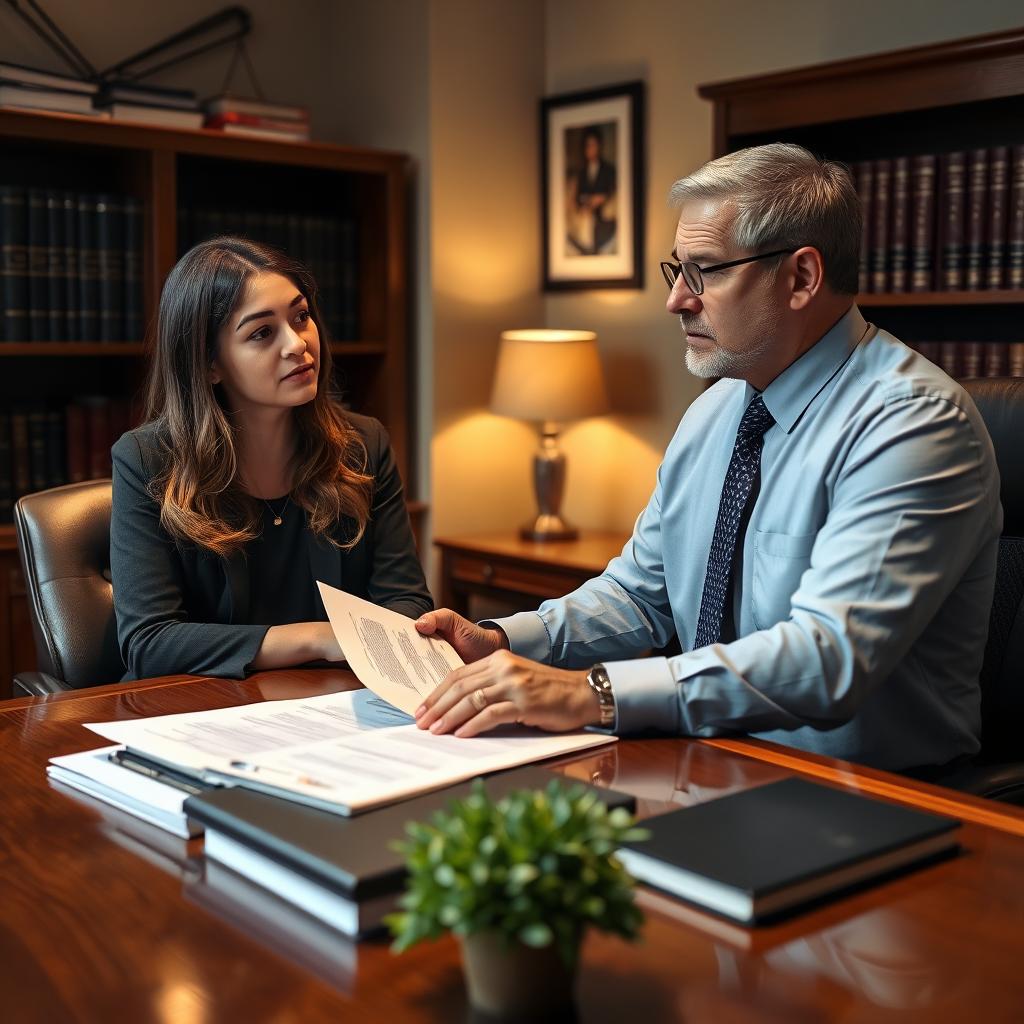
Refusal Lawyer Gloucester County, VA
You were driving on Route 17 in Gloucester County when blue lights appeared in your rearview mirror. The officer suspected you of driving under the influence and placed you under arrest. At the station, you declined to take a breath test. Now you face a refusal charge. Under Virginia’s implied consent law, refusing a chemical test triggers serious consequences — even if you are never convicted of DUI. A refusal charge can mean a license suspension, fines, and a criminal record depending on your prior offenses. Mr. Sris and his Of Counsel have extensive experience representing drivers throughout Virginia, including Gloucester County, in breath test refusal matters. They examine every aspect of the stop, the arrest, and the refusal allegation to build a well-prepared response. To discuss your refusal charge and explore your options, call Law Offices Of SRIS, P.C. at (888) 437-7747. Law Offices Of SRIS, P.C. — Advocacy Without Borders.
What Breath Test Refusal Means in Gloucester County
Virginia’s implied consent statute states that every person who operates a motor vehicle on a public highway has consented to a breath or blood test if arrested for DUI. When a driver unreasonably refuses to submit to the test, the refusal itself is a separate legal matter. The consequences depend on whether the refusal is a first, second, or subsequent offense within a ten-year period.
A first-offense unreasonable refusal is a civil violation that results in a one-year license suspension with no restricted driving privilege. A second offense within ten years is a Class 2 misdemeanor, and a third offense is a Class 1 misdemeanor.
Source: Virginia Law Portal
Reviewed by Mr. Sris, admitted in VA, MD, DC, NJ, NY.
In Gloucester County, refusal charges are typically brought in the Gloucester General District Court. The court will examine whether the officer had probable cause for the DUI arrest, whether the driver was properly advised of the implied consent law, and whether the refusal was unreasonable. If you hold a commercial driver’s license, the stakes are even higher; a refusal can trigger a separate CDL disqualification independent of the civil or criminal refusal proceeding. Mr. Sris and his Of Counsel appear regularly in Gloucester County courts and understand how local judges and prosecutors approach these cases.
How Mr. Sris and His Of Counsel Handle Refusal Cases
Every refusal case begins with a thorough review of the traffic stop and the events that followed. Mr. Sris and his Of Counsel examine whether the officer had reasonable suspicion to initiate the stop and probable cause for the DUI arrest. They also scrutinize the implied consent warnings the officer gave — or failed to give. In some instances, a refusal may be deemed reasonable, for example, if the driver was not clearly advised of the consequences or if a medical condition prevented the test. When the facts allow, they may negotiate with the prosecutor for a reduced charge or an alternative resolution that avoids a license suspension or criminal record. If trial is the trusted course, they are prepared to challenge the state’s evidence in court.
The process for a refusal case in Gloucester County generally moves through the General District Court. If the matter is civil, a judge will decide whether the refusal was unreasonable and impose the statutory license suspension. If criminal, the case proceeds like any misdemeanor with the same procedural rights. Mr. Sris and his Of Counsel guide clients at each stage, from the arraignment through any appeal to the Circuit Court. Because refusal consequences can affect employment, insurance, and driving privileges, they work to achieve the most favorable outcome possible under the specific facts of your case. Results may vary.
About Mr. Sris and His Of Counsel Team
Mr. Sris, Owner and Founder of Law Offices Of SRIS, P.C., has represented clients in traffic, criminal, and DUI-related matters since 1997. A former prosecutor, he brings firsthand insight into how the Commonwealth builds its cases — including refusal allegations. He is admitted in Virginia, Maryland, the District of Columbia, New Jersey, and New York. Mr. Sris testified before the Virginia House Courts of Justice Committee in support of 2019 HB 635 (chief patron Del. David Bulova). His Of Counsel — all experienced attorneys engaged through Excella — work collaboratively on every matter. Together, Mr. Sris and his Of Counsel bring over 120 years of combined legal experience, backed by over 4,739 documented firm-wide results. Results may vary.
Frequently Asked Questions
What is Virginia’s implied consent law and how does it apply to a refusal charge?
Virginia’s implied consent law provides that a driver arrested for DUI has already consented to a breath or blood test, and an unreasonable refusal triggers a separate civil or criminal proceeding. The law applies regardless of whether you are ultimately convicted of DUI. Upon a first offense, the refusal is a civil violation with a mandatory one‑year license suspension. Subsequent refusals within ten years are criminal. The law’s purpose is to encourage chemical testing and deter drivers from thwarting the investigation. An experienced attorney can evaluate whether your refusal was unreasonable under the specific circumstances.
What are the penalties for a first-offense breath test refusal in Virginia?
A first-offense unreasonable refusal is a civil violation, not a crime, but it carries a mandatory one‑year license suspension with no restricted driving privilege. The suspension is imposed administratively and is separate from any DUI‑related suspension. The court cannot grant a restricted license during the one‑year period. There is no jail time for a first civil refusal. However, if you are later charged with a second or third refusal within ten years, those become criminal offenses with potential jail sentences. Consult an attorney to understand how a refusal affects your specific license status.
How does a Virginia lawyer defend against refusal charges?
Defense strategies for refusal charges in Virginia may include challenging the validity of the traffic stop, the adequacy of the implied consent warnings, or whether the driver’s refusal was truly unreasonable. An attorney will review the officer’s dash‑camera and body‑worn camera footage, the arrest report, and the implied consent advisement form. If the officer lacked probable cause for the DUI arrest, the refusal charge may be dismissed. Medical conditions, language barriers, or a confusing exchange with the officer can also support a defense. Each case is fact‑specific, and a thorough investigation is the foundation of any effective challenge.
What should I do if I am facing a refusal charge in Gloucester County?
If you are facing a refusal charge in Gloucester County, contact an experienced traffic attorney as soon as possible, avoid discussing the case with anyone except your lawyer, and preserve any relevant documents or recordings. The court date on your summons is critical; missing it can result in a default finding. Your attorney can explain the charge, assess the strength of the state’s case, and advise whether to negotiate or go to trial. Do not attempt to explain the refusal to the officer or prosecutor on your own. Early legal involvement often makes a significant difference in the outcome of a refusal matter.
How are refusal cases handled in Gloucester County General District Court?
Refusal charges in Gloucester County are usually heard in the Gloucester General District Court, where a judge determines whether the refusal was unreasonable and imposes the applicable civil or criminal penalties. The Commonwealth must prove the elements of the charge by the appropriate standard of proof. If you are dissatisfied with the General District Court’s ruling, you generally have the right to appeal to the Gloucester County Circuit Court for a new trial. The appeal must be noted within ten days and will reset all issues. Having a lawyer familiar with Gloucester County courts can help you navigate the process efficiently.
Can I represent myself for a refusal charge in Virginia?
You have the right to represent yourself, but the complexity of implied consent law and the serious license consequences make experienced legal representation advisable. Refusal proceedings involve specific statutes, court rules, and evidentiary standards that are difficult to navigate without legal training. An attorney can identify weaknesses in the state’s case, negotiate with the prosecutor, and, if necessary, present a defense at trial. Representing yourself may lead to unintended admissions or procedural mistakes that could harm your case. Most individuals choose to retain counsel for refusal matters.
Virginia Refusal Law Resources
For additional information on refusal charges and Virginia court procedures:
Attorney advertising. Prior results do not guarantee a similar outcome. Case results depend on a variety of factors unique to each case. Results may vary.