
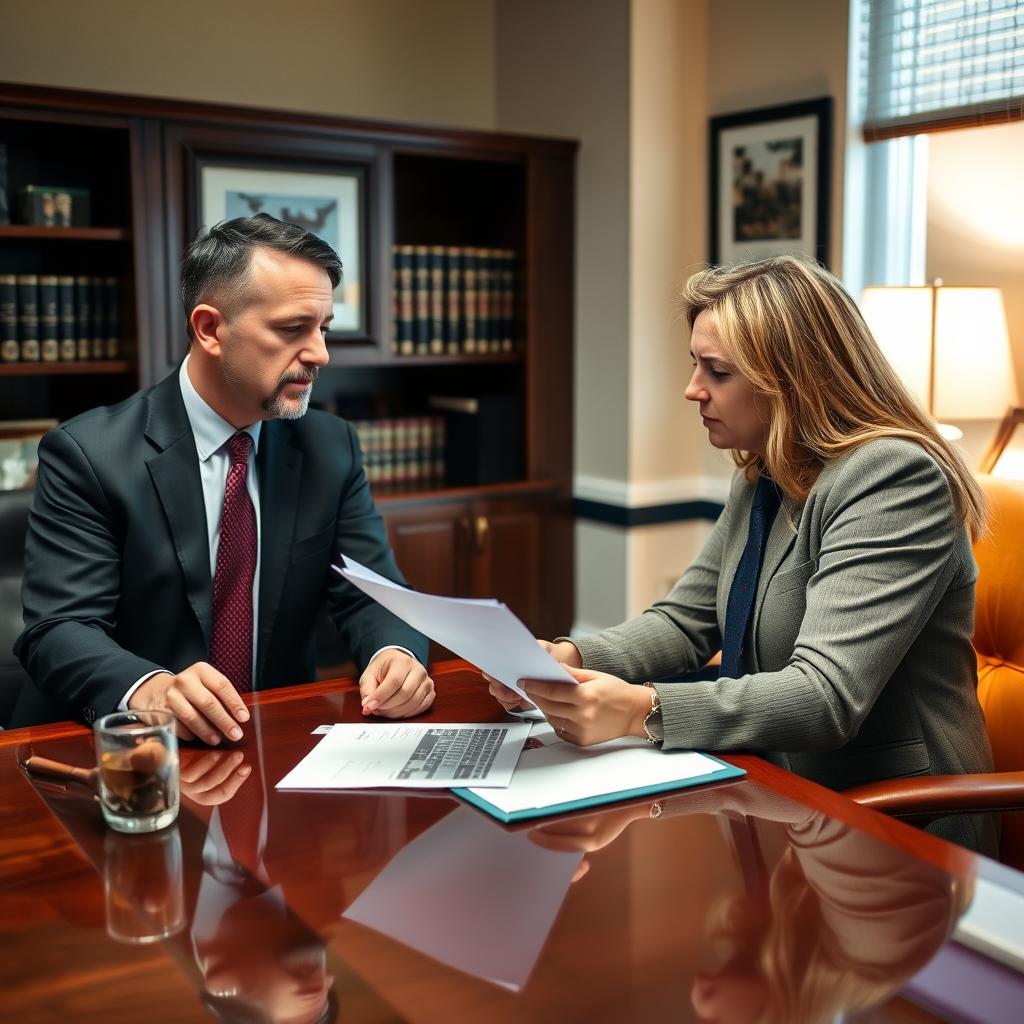
Repeat DWI Lawyer Clinton County, NY
Being charged with a repeat DWI in Clinton County, New York, raises the stakes of your case dramatically. A prior conviction for driving while intoxicated means prosecutors will pursue heightened penalties — and a felony charge becomes a real possibility. If you are confronting a second or subsequent DWI, you need a legal advocate who understands the New York Vehicle and Traffic Law, the procedures of the local justice courts, and the impact a conviction can have on your freedom, your driving privileges, and your future. Mr. Sris, Owner and Founder of Law Offices Of SRIS, P.C., has handled DWI matters since 1997 and is admitted in New York, Virginia, Maryland, the District of Columbia, and New Jersey. Reach our location at (888) 437-7747 to request a consultation about your repeat DWI case. Law Offices Of SRIS, P.C. – Advocacy Without Borders.
What a Repeat DWI Means in Clinton County
In New York, a repeat DWI is defined by the number of prior convictions or incidents within a statutory lookback period. Under New York Vehicle and Traffic Law § 1192, a second DWI offense committed within ten years of a prior DWI conviction or a conditional discharge for a DWI can be charged as a Class E felony. A third or subsequent offense within that period may be elevated to a Class D felony. The stakes are far higher than a first-offense misdemeanor — a felony conviction brings the possibility of state prison time, a substantial fine, mandatory surcharges, and a lengthy license revocation.
Clinton County, located in New York’s North Country, handles DWI cases in its local justice courts rather than the New York City Traffic Violations Bureau. This means plea bargaining is available, unlike in TVB jurisdictions. However, local courts take DWI offenses seriously, especially when aggravating factors such as a high blood alcohol content, an accident, or a prior conviction are present. Additionally, the New York Department of Motor Vehicles imposes its own administrative consequences, including a driver responsibility assessment of $250 per year for three years if certain point thresholds or alcohol-related offenses are recorded on your driving record. The interplay between the criminal case and the administrative process requires a coordinated defense strategy that addresses both.
How Mr. Sris and His Of Counsel Approach Repeat DWI Defense
Law Offices Of SRIS, P.C. Concentrates its practice on criminal defense and traffic matters, and Mr. Sris has represented drivers in New York courts for decades. When you reach our location, the first step is a thorough review of your arrest records, prior conviction history, and the circumstances of the stop. A repeat DWI charge often gives rise to procedural and substantive defenses that a first-offense case may not — for example, the basis of the traffic stop, the administration of field sobriety tests, the calibration of the breath test device, and the chain of custody of any blood or breath sample. Mr. Sris and his Of Counsel scrutinize each element because a successful challenge to the underlying stop or the chemical test can affect the viability of the felony charge.
In a repeat DWI case, the defense also involves careful negotiation. Because local justice courts in Clinton County permit plea bargaining, it may be possible to seek a reduction to a lesser charge — such as DWAI (Driving While Ability Impaired) under Vehicle and Traffic Law § 1192(1) — which carries lower penalties and avoids a felony conviction. If a plea is not in your best interest, Mr. Sris and his team prepare for trial, working with attorneys when necessary to challenge the prosecution’s evidence. While no attorney can guarantee a particular outcome, the firm works to achieve the most favorable resolution possible under the circumstances.
About Mr. Sris and His Of Counsel Team
Mr. Sris, Owner and Founder of Law Offices Of SRIS, P.C., is a former prosecutor who has been practicing law since 1997. He is admitted in New York, Virginia, Maryland, the District of Columbia, and New Jersey. Mr. Sris keeps his personal caseload small to ensure each client receives his direct attention. His Of Counsel team supports his practice, and together they bring over 120 years of combined legal experience, and the firm has achieved 4,739+ documented firm-wide results. Results may vary.
Frequently Asked Questions
What is a repeat DWI in New York?
A repeat DWI is a charge of driving while intoxicated brought against a driver who has a prior DWI conviction or a conditional discharge for DWI within the preceding ten years. Under New York Vehicle and Traffic Law § 1192, the offense is classified as a felony (Class E for a second offense, Class D for a third or subsequent offense). The lookback period and the prior offense must be established by the prosecution. A repeat DWI differs from a first-offense misdemeanor because of the potential for state prison time and a longer license revocation. Because the stakes are so high, it is important to have a lawyer who knows the local courts and the applicable law.
What are the penalties for a repeat DWI in Clinton County?
A felony DWI conviction can lead to state prison, a fine of up to $5,000 or more, mandatory surcharges, and a minimum one-year license revocation that can extend much longer. For a second offense, the maximum prison term is 1⅓ to 4 years; for a third offense, up to 2⅓ to 7 years. The court may also order the installation of an ignition interlock device, probation, and substance abuse treatment. In addition, the New York DMV imposes a driver responsibility assessment of $250 per year for three years. The specific sentence depends on the circumstances of the offense and the defendant’s history.
Can I plea bargain a repeat DWI in Clinton County?
Yes, plea bargaining is generally available in local justice courts outside New York City, including those in Clinton County. Unlike the Traffic Violations Bureau, which prohibits plea negotiations, the town and village justices in Clinton County can consider a reduction to a lesser charge such as DWAI (Driving While Ability Impaired) under Vehicle and Traffic Law § 1192(1). A reduction can avoid a felony conviction and carry lower penalties. However, the prosecutor must agree, and the court must approve the disposition. An attorney experienced in the local court can evaluate whether a plea offer is a reasonable option in your case.
How does a prior out-of-state DUI affect a New York repeat DWI charge?
A prior out-of-state conviction for driving under the influence will generally count as a prior offense for purposes of New York’s repeat DWI statute if the elements of the out-of-state offense are substantially similar to those of a New York DWI. The prosecution must prove the prior conviction, and your defense attorney can challenge whether the foreign conviction qualifies under New York law. This analysis can be critical because if the prior offense does not meet the statutory criteria, the current charge may remain a misdemeanor rather than a felony.
Will I lose my license after a repeat DWI arrest?
Yes, an arrest for a repeat DWI will likely trigger a mandatory suspension or revocation of your New York driver’s license. At the arraignment, the court may suspend your license pending prosecution. Upon conviction, the DMV revokes your license for at least one year, and the revocation period can be longer for multiple offenses. You may be eligible for a conditional license or a post-revocation restricted license if you participate in the Drinking Driver Program, but eligibility varies. An attorney can help you navigate the administrative side of the case and preserve your driving privileges to the extent possible.
How long does a repeat DWI case take in Clinton County?
The timeline for a felony DWI case in a local justice court typically spans several months, depending on the complexity of the evidence, the schedule of the court, and whether the case proceeds to trial. After arraignment, discovery and motion practice occur, followed by possible plea negotiations or a trial date. Because a felony DWI can involve scientific evidence such as blood test results, the process may take longer if experienced attorney review is needed. While every case is different, having an attorney who promptly requests discovery and files appropriate motions can help move the case along efficiently.
What defenses are available for a repeat DWI?
Possible defenses to a repeat DWI include challenging the legality of the traffic stop, the accuracy of the breath or blood test, the officer’s observations, and the proof of the prior conviction. If the stop was not supported by reasonable suspicion, the evidence obtained thereafter may be suppressed. Errors in the calibration or administration of a breath test can undermine the chemical evidence. Additionally, if the prior conviction is not properly certified or does not qualify under the lookback statute, the felony charge may be reduced. An experienced attorney examines each aspect of the government’s case to build the strong $1.
Do I need a lawyer for a repeat DWI in Clinton County?
Yes — a repeat DWI carries felony consequences and requires a lawyer who knows New York’s DWI statutes and the local court procedures. The stakes include incarceration, a permanent criminal record, license revocation, and significant financial obligations. An attorney can identify weaknesses in the state’s evidence, negotiate with the prosecutor, and guide you through the administrative proceedings with the DMV. For a consultation about your case, reach Law Offices Of SRIS, P.C. at (888) 437-7747.
What is the difference between DWI and DWAI?
In New York, DWI (Driving While Intoxicated) typically involves a blood alcohol content of .08% or above, while DWAI (Driving While Ability Impaired) generally covers impairment at a BAC below .08% or impairment by drugs other than alcohol. A DWAI is a traffic infraction, not a crime, and carries lower penalties. For a repeat DWI defendant, a reduction to DWAI can be a significant benefit because it avoids a felony conviction and a criminal record. However, not every case is eligible for such a reduction, and the decision depends on the facts and the prosecutor’s position.
Will a repeat DWI affect my employment?
A felony DWI conviction can have serious employment consequences, including difficulty passing background checks, loss of a commercial driver’s license, and potential termination by an employer that requires a clean driving record. A CDL holder faces a lifetime disqualification from operating a commercial vehicle after a second DWI conviction. For other professionals, the criminal record alone can hinder job prospects. Obtaining favorable outcomes in your criminal case — whether a reduction, a dismissal, or a favorable plea — is critical to protecting your livelihood.
What should I do immediately after a repeat DWI arrest?
After an arrest for a repeat DWI, you should exercise your right to remain silent, ask to speak with an attorney, and avoid discussing the facts of your case with anyone other than your lawyer. Preserve any documentation you received from the police and the court, including the appearance ticket and any paperwork about your license. Do not miss your court date. Contact an experienced DWI attorney as soon as possible — early intervention can impact the outcome of your case.
New York Vehicle and Traffic Law § 1192 —
New York Vehicle and Traffic Law § 1193 —
New York State Unified Court System
Attorney advertising. Prior results do not guarantee a similar outcome.
Case results depend on a variety of factors unique to each case.
Results may vary.