
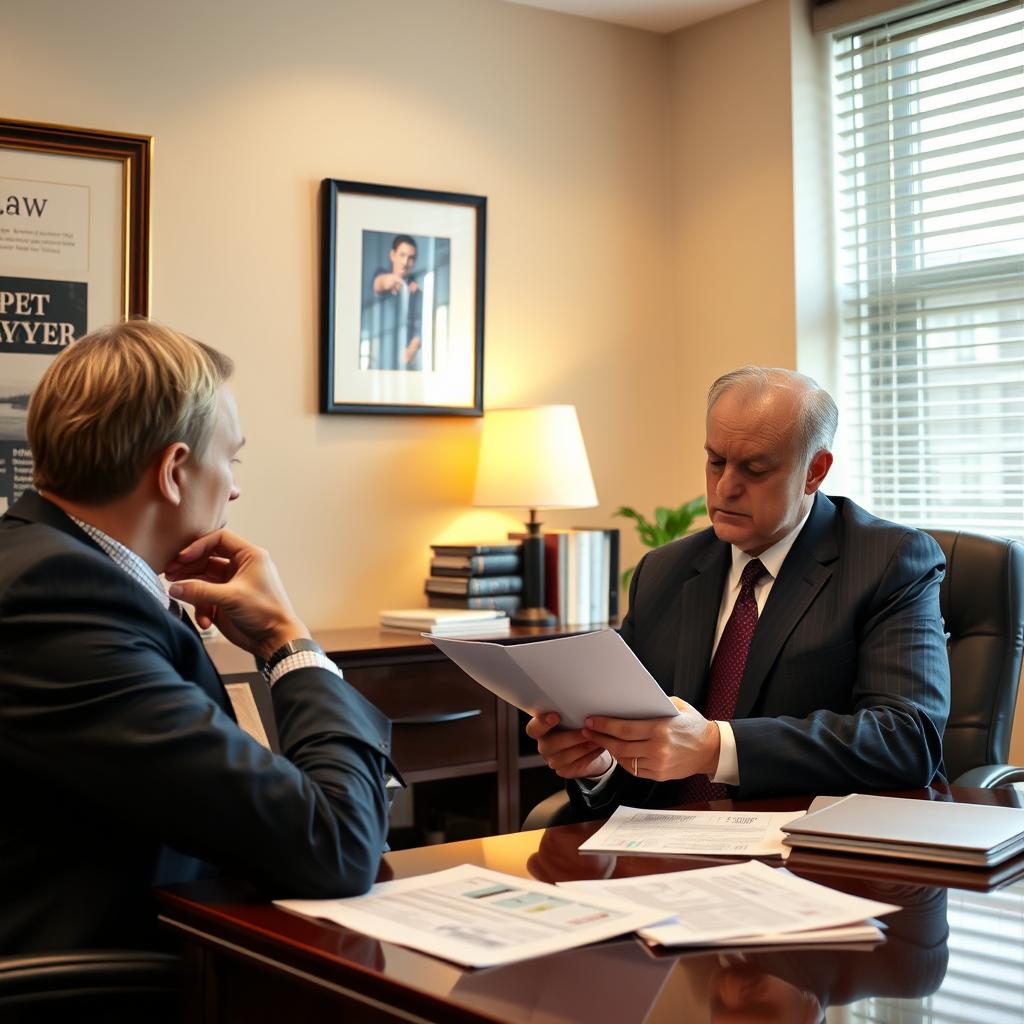
Repeat DWI Lawyer New York, NY
Facing a repeat driving while intoxicated charge in New York City can carry serious consequences. Under New York’s Vehicle and Traffic Law, a second or subsequent DWI is treated more harshly than a first offense, with the potential for felony-level charges, mandatory fines, extended license revocation, and possible incarceration. The New York State Traffic Violations Bureau (TVB) handles alcohol- and drug-related driving offenses that occur within the five boroughs, and its procedures differ from those in other parts of the state. Unlike local courts outside New York City, the TVB does not permit plea bargaining; every DWI charge must be resolved through a hearing before an administrative law judge. This means that defending a repeat DWI in Manhattan, Brooklyn, Queens, the Bronx, or Staten Island demands a thorough and well-prepared approach. Law Offices Of SRIS, P.C. — Advocacy Without Borders.
Mr. Sris and his Of Counsel team at Law Offices Of SRIS, P.C. represent drivers throughout New York City who are facing repeat DWI allegations. Mr. Sris, a former prosecutor, understands how the prosecution builds its case and works to identify weaknesses in the evidence, challenge procedural errors, and pursue the most favorable resolution available under New York law. To discuss your situation and how we can assist, contact our firm at (888) 437-7747 to schedule a consultation.
What a Repeat DWI Charge Means in New York City
In New York, a repeat DWI is defined by the number of prior alcohol- or drug-related driving convictions within the preceding ten years. A second DWI offense within that window is generally charged as a Class E felony, while a third or subsequent offense can be a Class D felony. Prosecutors in New York City handle these cases in the TVB system, which applies the same substantive law—primarily New York Vehicle and Traffic Law § 1192—but administers hearings differently from the local criminal courts found upstate. The TVB’s administrative law judges do not accept guilty-plea negotiations, so every case proceeds to a hearing unless the prosecutor decides to dismiss the charges.
New York County (Manhattan) courts at 60 Centre Street, Kings County courts at 360 Adams Street in Brooklyn, Queens County courts at 88-11 Sutphin Boulevard, and the Richmond County courthouse at 18 Richmond Terrace in Staten Island all experience heavy TVB dockets. As a practical matter, a repeat DWI case in New York City moves through a hearing process where the DMV’s case presentation must be met with thorough cross-examination and legal argument. Convictions result in mandatory fines, driver responsibility assessments, license revocation periods that can extend well beyond the minimum, and, for felony convictions, potential state prison sentences. The stakes rise significantly with each prior offense.
How Mr. Sris and His Of Counsel Handle Repeat DWI Cases
When a client comes to Law Offices Of SRIS, P.C. with a repeat DWI charge in New York City, Mr. Sris and his Of Counsel team start by reviewing every piece of evidence the prosecution intends to offer. This includes the traffic stop report, any field sobriety test or chemical test results, calibration and maintenance records for breath-testing equipment, and all documentation related to prior convictions. Because the TVB does not allow plea bargaining, the defense focuses on exposing procedural errors, challenging the admissibility of evidence, and presenting legal arguments that can lead to dismissal or a reduction in charges. Mr. Sris’s background as a former prosecutor gives him insight into how the prosecution prepares its case and where its vulnerabilities lie.
The team also examines whether the police had reasonable suspicion to initiate the stop, whether the implied-consent warnings were properly administered, and whether the breath- or blood-test protocol complied with governing regulations. If the state’s evidence is weak, they may file motions to suppress or argue for dismissal at the hearing. For clients whose prior convictions raise questions about the constitutionality of a predicate-offense allegation, Mr. Sris and his Of Counsel challenge the validity of those earlier adjudications. Throughout the process, clients receive clear explanations of what to expect and the options available under New York law. The timeline for a TVB hearing depends on the court’s calendar and the complexity of the case.
About Mr. Sris and His Of Counsel Team
Mr. Sris, Owner and Founder of Law Offices Of SRIS, P.C., has practiced law since 1997 and is admitted to the bars of Virginia, Maryland, the District of Columbia, New Jersey, and New York. His experience as a former prosecutor brings an important perspective to DWI defense. Mr. Sris testified before the Virginia House Courts of Justice Committee in support of 2019 HB 635 (chief patron Del. David Bulova). He leads a team of Of Counsel attorneys whose combined practice spans multiple decades and areas of law. Mr. Sris and his Of Counsel bring over 120 years of combined legal experience, backed by 4,739+ documented firm-wide results. Results may vary.
The firm’s Of Counsel attorneys, each with well over a decade of experience, include practitioners with backgrounds in criminal law, traffic defense, and litigation. Together, they provide New York City drivers with a defense team that can identify issues in the state’s case and present a well-structured hearing argument. While no attorney can promise a particular result, Mr. Sris and his Of Counsel work toward the trusted … Resolution for every client.
Frequently Asked Questions
What is a repeat DWI in New York?
A repeat DWI is a second or subsequent alcohol- or drug-impaired driving offense committed within ten years of a prior conviction. Under New York Vehicle and Traffic Law § 1192, prosecutors may elevate the charge to a Class E felony for a second offense or a Class D felony for a third. Prior convictions from other states can also count as predicates if the elements are equivalent. The court looks at the date of the prior conviction, not the date of the arrest, to determine the lookback period. The TVB handles these charges in New York City and conducts formal hearings rather than plea negotiations.
What are the penalties for a second DWI in New York City?
A second DWI in New York City can result in a felony conviction, fines, a driver responsibility assessment, and a mandatory license revocation period. A Class E felony carries a potential sentence of up to four years in prison, though courts have discretion to impose a lesser sentence including probation, jail time, or a fine plus surcharges. The DMV imposes a one-year minimum revocation period for a second DWI, with longer periods possible. In addition, the driver must pay a driver responsibility assessment and install an ignition interlock device on any vehicle they operate. These consequences grow significantly with each additional offense.
Can a repeat DWI charge be reduced or dismissed in the TVB?
Because the TVB does not permit plea bargaining, a charge cannot be reduced to a lesser offense through negotiation; dismissal is possible if the evidence is insufficient or the prosecution fails to meet its burden. Defense counsel may challenge the legality of the traffic stop, the reliability of chemical test results, or the admissibility of prior conviction records. If a motion to suppress is granted, the prosecution’s case may collapse. Even in the absence of plea bargaining, a well-prepared defense can result in an acquittal after a hearing. An experienced DWI attorney can assess the strengths and weaknesses of the state’s evidence early.
Do I need a lawyer for a repeat DWI in New York City?
Retaining a lawyer for a repeat DWI in New York City is strongly advisable because the TVB hearing process is adversarial and the consequences of a conviction are severe. Without an attorney, a driver must navigate cross-examination of police witnesses, evidentiary objections, and complex legal arguments without professional guidance. An experienced DWI lawyer can identify procedural errors, challenge the admissibility of chemical test results, and argue for dismissal when warranted. Given the felony-level stakes and potential for incarceration, legal representation is critical. Mr. Sris and his Of Counsel are available to discuss your case by appointment.
How does the TVB handle repeat DWI cases differently from local courts?
The TVB differs from local New York courts in that it does not allow plea bargaining, all cases must proceed to a hearing, and decisions are made by administrative law judges rather than elected judges. This means a repeat DWI case in New York City will go to a contested hearing unless the prosecution elects to dismiss the charges. The defense must be prepared to challenge the state’s evidence at every stage. TVB hearings are generally resolved within a few months of the initial appearance, though the timeline can vary. Understanding these procedural differences is essential for any driver facing a repeat DWI in the five boroughs.
What should I bring to a consultation with a DWI lawyer?
Bring any charging documents, police reports, chemical test results, and information about any prior convictions to your consultation. This includes the desk appearance ticket, supporting deposition, and any paperwork you received at the traffic stop or from the court. If you have prior DWI or other traffic convictions, provide the approximate dates and jurisdictions. Having these materials helps the attorney evaluate your exposure and develop a defense strategy. To schedule a consultation, reach Law Offices Of SRIS, P.C. at (888) 437-7747.
Brooklyn Repeat DWI Defense · Queens County DWI Lawyer · Staten Island DWI Representation
Official New York resources: NY Vehicle and Traffic Law § 1192 · NY DMV Repeat DWI Penalties · New York State Courts
Attorney advertising. Prior results do not guarantee a similar outcome.
Case results depend on a variety of factors unique to each case.
Results may vary.