
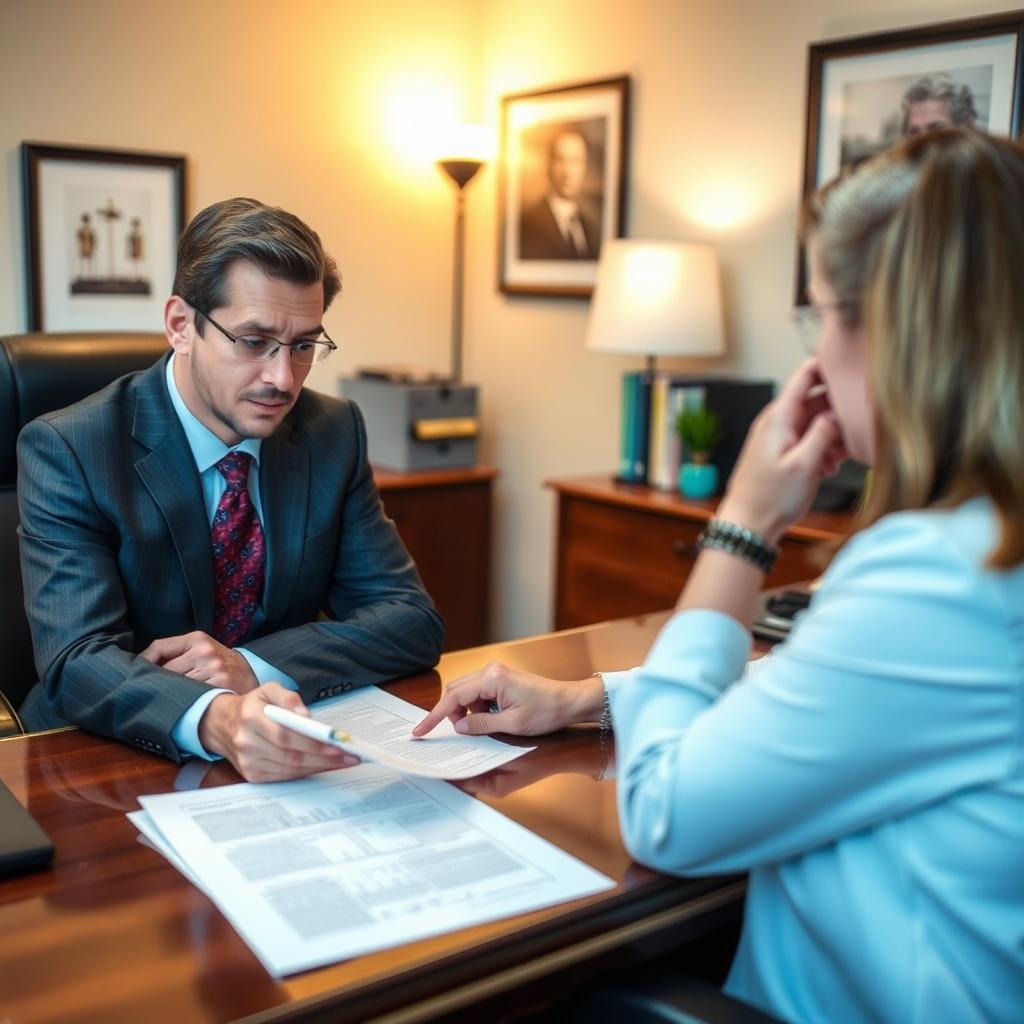
What happens at a DUI arraignment in Genesee County
At a DUI arraignment in Genesee County, you appear before a judge to be formally notified of the charges against you, you enter a plea of guilty or not guilty, and the court addresses matters such as bail, future court dates, and any preliminary license-suspension concerns. The proceeding typically takes place in the Genesee County Supreme Court at 1 West Main Street in Batavia, which handles DUI cases arising under New York Vehicle and Traffic Law § 1192. An arraignment is not a trial; it is a preliminary hearing where the procedural path of your case is set. If you do not yet have an attorney, you may ask the judge for time to obtain counsel. The judge will also consider whether the case can proceed with you representing yourself. Having an experienced DUI defense attorney present at this stage can safeguard your rights and help you make informed plea decisions. For guidance before your arraignment, reach Law Offices Of SRIS, P.C. at (888) 437-7747.
What to Expect at a DUI Arraignment in Genesee County
When you arrive for your arraignment, the court will call your case, and the charge will be read aloud. The judge will verify that you understand the charge and will ask how you plead. Options at this stage are typically “guilty,” “not guilty,” or, in certain circumstances, “no contest.” Your plea is one of the most consequential decisions in the early stages of a DUI case, and it is wise to consult with an attorney before entering any plea. If you plead not guilty, the judge will schedule a future court date for pretrial conferences and, if necessary, a trial. The court will also consider bail or release conditions based on the nature of the charge and your background.
In Genesee County, the Supreme Court handles felony-level DUI matters, while misdemeanor DUI cases may be heard in a local criminal court. The exact court location depends on the arresting agency and the level of the offense. Your appearance ticket or other notice will indicate the specific courthouse and the date and time of the arraignment. If you fail to appear, a bench warrant may be issued, so attending is essential. An attorney can confirm the court location and ensure you understand the procedural steps that follow.
Frequently Asked Questions About DUI Arraignments in Genesee County
What is a DUI arraignment?
A DUI arraignment is the first court appearance after a DUI arrest, where you are formally told what you are charged with and asked to enter a plea. The judge will also address bail, any conditions of release, and the scheduling of future court dates. It is a preliminary step, not a trial, and no evidence is presented at this stage.
Do I need a lawyer for my arraignment in Genesee County?
You are not legally required to have a lawyer at arraignment, but having one is strongly recommended. An attorney can explain the charges, advise you on the appropriate plea, and argue for favorable bail terms. If you appear without counsel, you may request an adjournment to find representation. To discuss your case before the arraignment, contact Law Offices Of SRIS, P.C. at (888) 437-7747.
What plea should I enter at a DUI arraignment?
The plea you enter should be discussed with an attorney who understands New York DUI law. Pleading not guilty preserves your ability to challenge the evidence and negotiate with the prosecution. Pleading guilty without legal advice may waive important rights and lead to immediate penalties. An attorney can evaluate your case and recommend the trusted course of action.
What happens after I plead not guilty?
After a not-guilty plea, the court will set a schedule for the exchange of evidence and future court appearances. This may include a conference date, motions deadlines, and a trial date. Your attorney will work to review the police reports, breath-test records, and other evidence, and may negotiate with the prosecutor to seek a reduction or dismissal of the charge.
Will I go to jail at my arraignment?
In most DUI cases, an arraignment does not result in immediate jail time unless the charge is a felony or there are aggravating factors. The judge will determine release conditions based on the circumstances. Your attorney can advocate for personal recognizance or minimal bail. The decision depends on the specific facts of your case and the judge’s assessment.
Can I reschedule my arraignment if I cannot attend?
You must notify the court as soon as possible and ask to reschedule; an attorney can help make that request. Failing to appear without prior court approval can lead to a bench warrant and additional legal consequences. Contact an attorney immediately if you have a conflict with your scheduled arraignment date.
What should I bring to my arraignment?
Bring your appearance ticket, any paperwork you received at the time of arrest, and a valid form of identification. If you plan to hire an attorney, bring their contact information. Do not bring weapons or any items prohibited by the court. Your attorney can advise you on any additional documents that may be helpful.
How long after the arrest is the arraignment scheduled?
The arraignment typically takes place soon after the arrest, often within a few days, as directed by the appearance ticket or the court’s calendar. If you were held in custody, a bail hearing may occur even sooner. The exact timing depends on the court’s docket and the date listed on your notice. Your attorney can confirm the date and ensure you are prepared.
What happens after the arraignment?
After the arraignment, your case proceeds to the pretrial phase, which may involve discovery, motion practice, and conferences. The prosecution will share the evidence against you, and your attorney may file motions to suppress evidence or challenge the validity of the traffic stop. The case may resolve through a plea agreement or proceed to trial if no resolution is reached.
Will my driver’s license be suspended at the arraignment?
The court may address driver’s license suspension as part of the arraignment process, depending on the circumstances of your arrest. If you refused a chemical test or had a qualifying BAC, the Department of Motor Vehicles may have already issued an administrative suspension. Your attorney can explain the status of your driving privileges and any steps to seek a conditional license or hearing.
What is the difference between a DUI and a DWAI in New York?
New York law distinguishes between driving while intoxicated (DUI), driving while ability impaired by alcohol (DWAI), and driving while ability impaired by drugs. DUI typically carries more severe penalties and higher potential fines and jail time than a DWAI. The specific charge depends on factors such as your blood alcohol content and the officer’s observations. An attorney can help you understand the charge you face and the available defenses.
Can I represent myself at the arraignment?
You have the right to represent yourself, but doing so without a full understanding of New York DUI law and procedure can be risky. The judge will inform you of your right to an attorney. If you cannot afford one, you may apply for a public defender. However, having a private attorney who concentrates in DUI defense can provide individual case review and more time to devote to your case.
About Mr. Sris and His Of Counsel Team
Mr. Sris, Owner and Founder of Law Offices Of SRIS, P.C., is a former prosecutor who has represented clients in New York and across four other states and the District of Columbia. He and his Of Counsel team bring over 120 years of combined legal experience and have achieved 4,739+ documented firm-wide results. Results may vary. The firm’s New York location at 50 Fountain Plaza, Suite 1400, Office No. 142, Buffalo, NY 14202 serves clients throughout western New York, including Genesee County. By appointment only. To request a consultation about your DUI arraignment, reach Law Offices Of SRIS, P.C. at (888) 437-7747.
For DUI defense representation in other New York counties, visit our pages on Manhattan, Brooklyn, Queens, Staten Island, and Nassau County.
Primary legal sources: New York VTL § 1192 ⋅ Genesee County Supreme Court ⋅ NY VTL § 1193 penalties
Attorney advertising. Prior results do not guarantee a similar outcome. Case results depend on a variety of factors unique to each case. Results may vary.